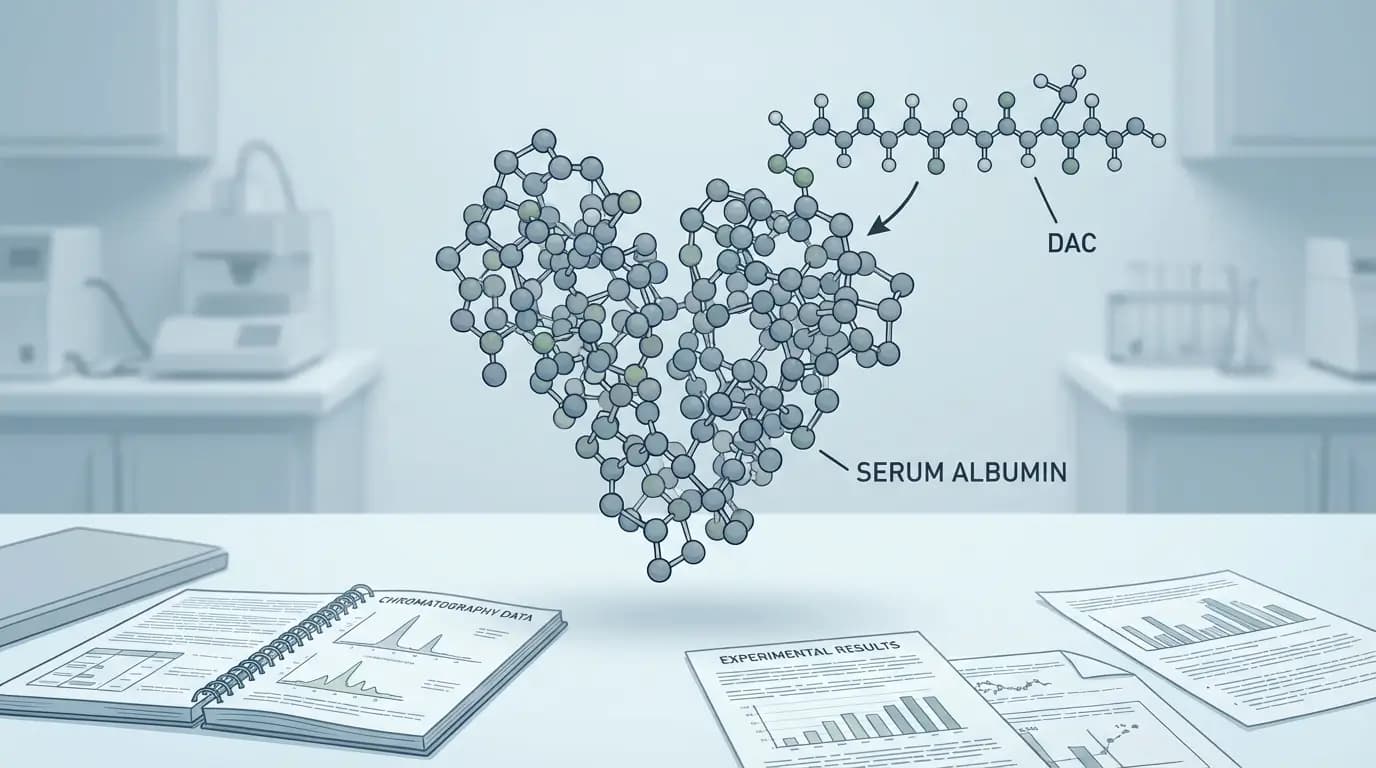
Peptide Reconstitution for Research: Diluents, Stability, and Laboratory Considerations
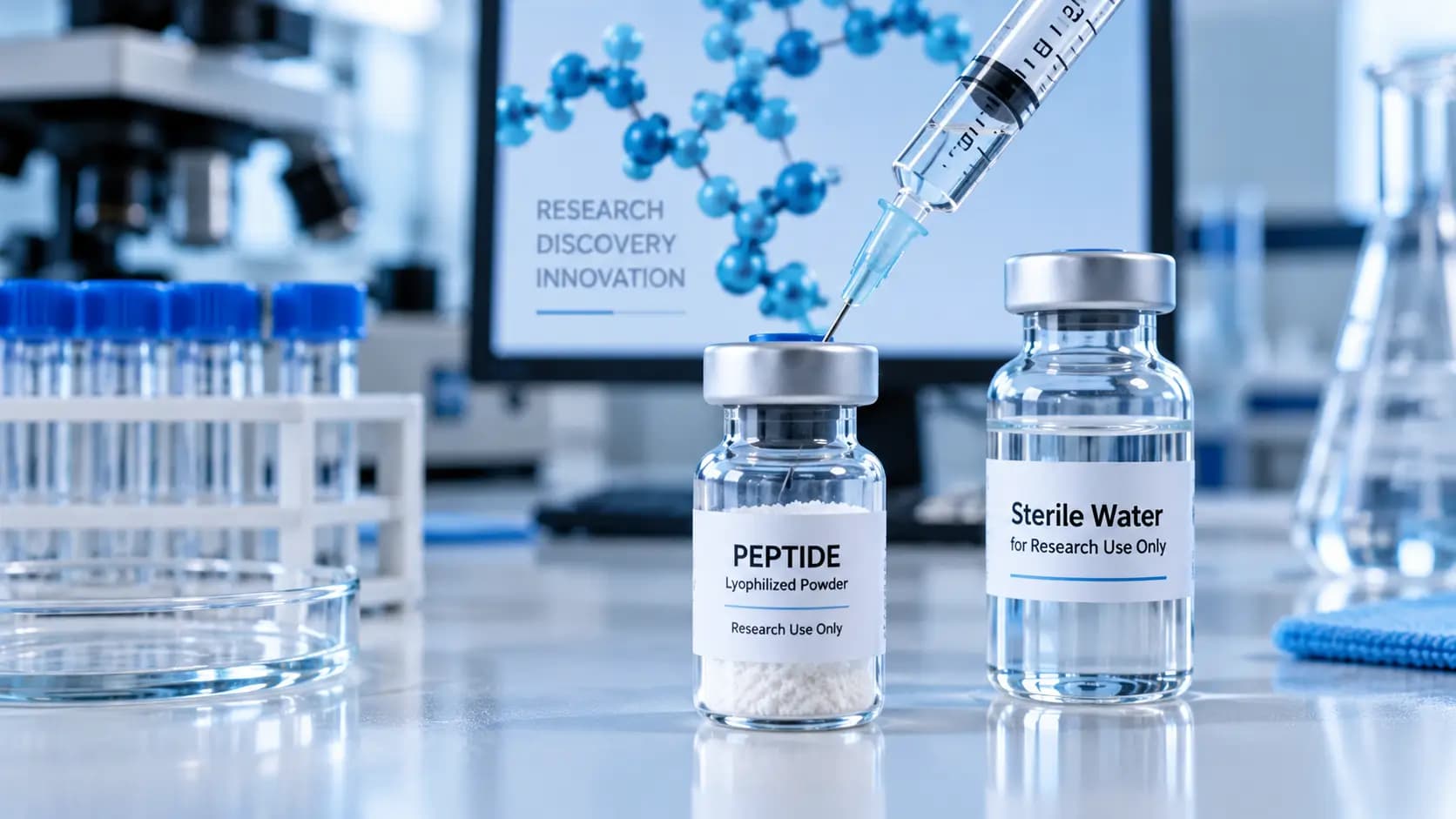
This article delves into peptide reconstitution, covering essential aspects like diluents, stability, and best practices for laboratory research.
Explore research articles and lab insights focused on research and science, including assay context, analytical documentation, and laboratory handling best practices.
This category curates high-signal research context so teams can quickly compare methods, interpret analytical documentation, and prioritize relevant reading.
Showing 9 articles in Research and Science

This article delves into peptide reconstitution, covering essential aspects like diluents, stability, and best practices for laboratory research.

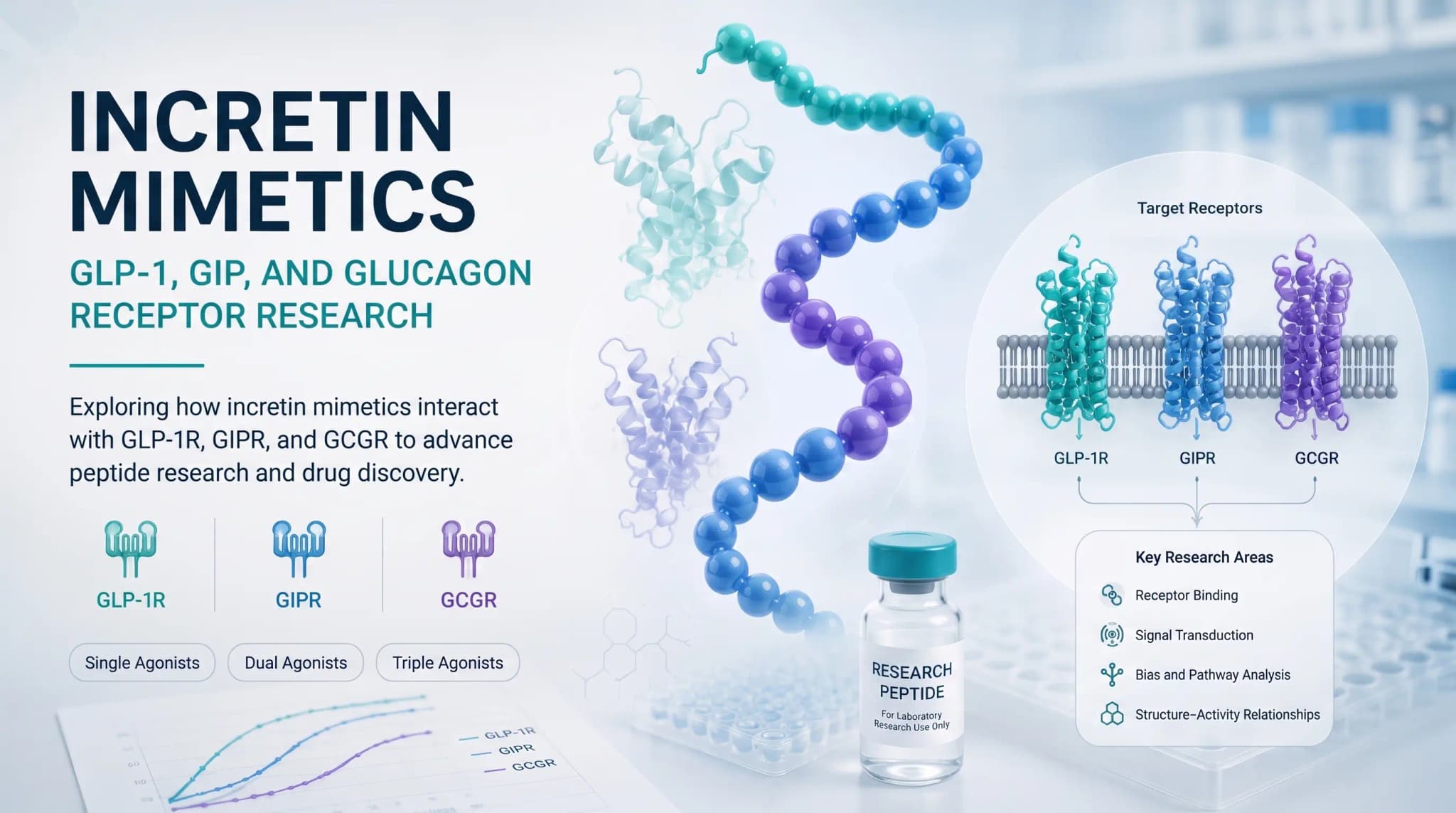
This article delves into the science of incretin mimetics, exploring their mechanisms, receptor pathways, and ongoing research in the field.


A clear research-focused guide explaining how peptides are studied, how laboratory findings differ from commercial claims, and why sourcing, COAs, and compliance matter.

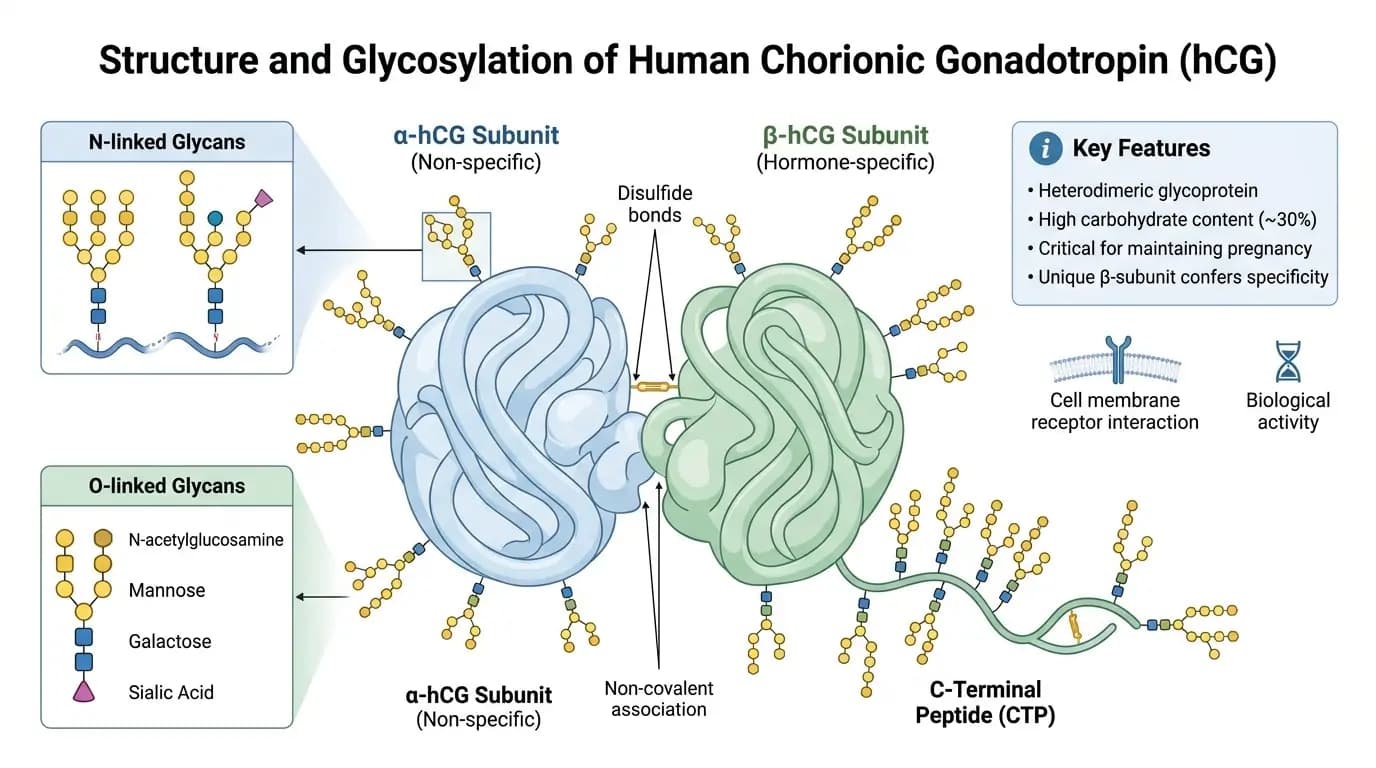
Explore what hCG is, how its structure and signaling role are understood, how laboratory tests detect it, and why it is often misunderstood in research, regulation, and online discussions.

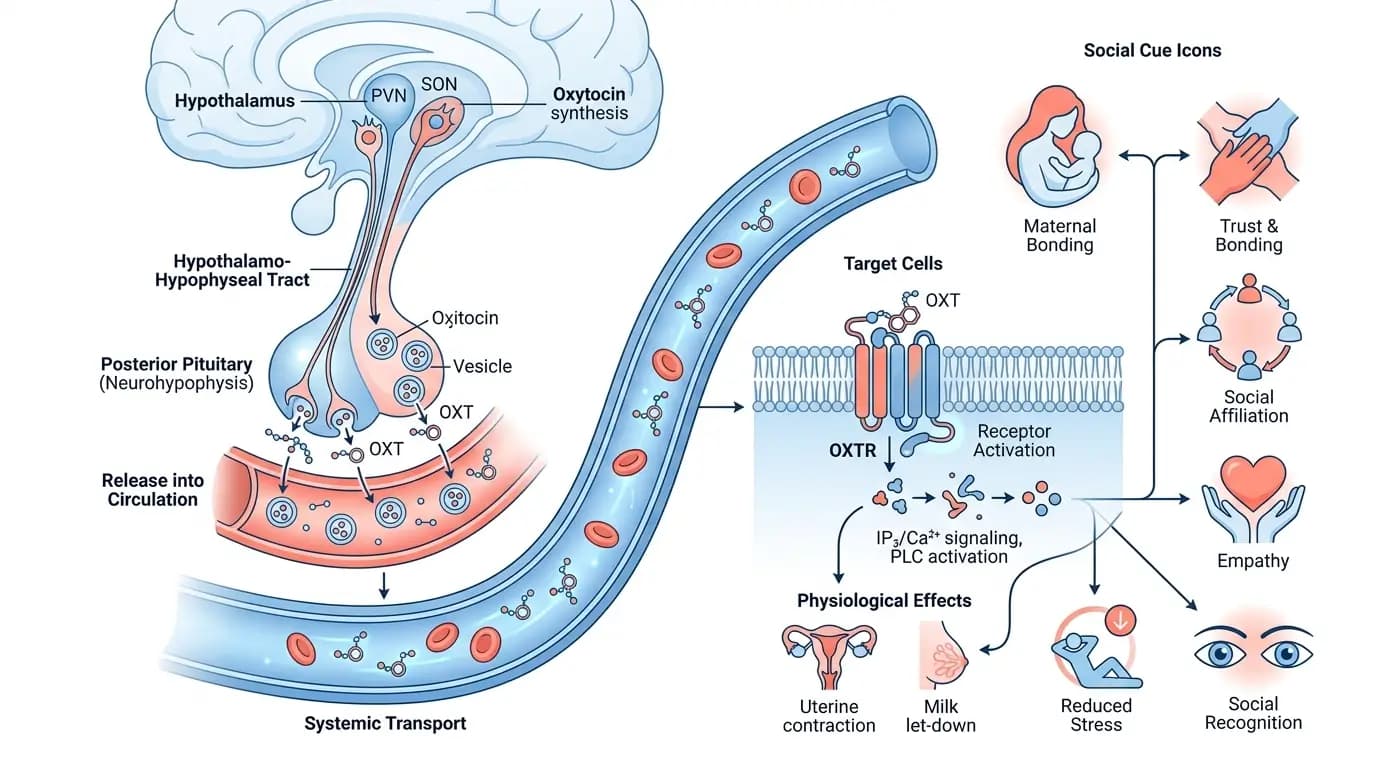
Explore oxytocin peptide through a research-focused lens, from its biological role and signaling pathways to current literature and compliance-aware communication.

Peptides for tissue repair explained with clear research context, peptide categories, evidence limits, documentation signals, and compliance guidance.

Peptides in muscle research explained through evidence, collagen findings, quality concerns, legal context, and careful evaluation points for readers.

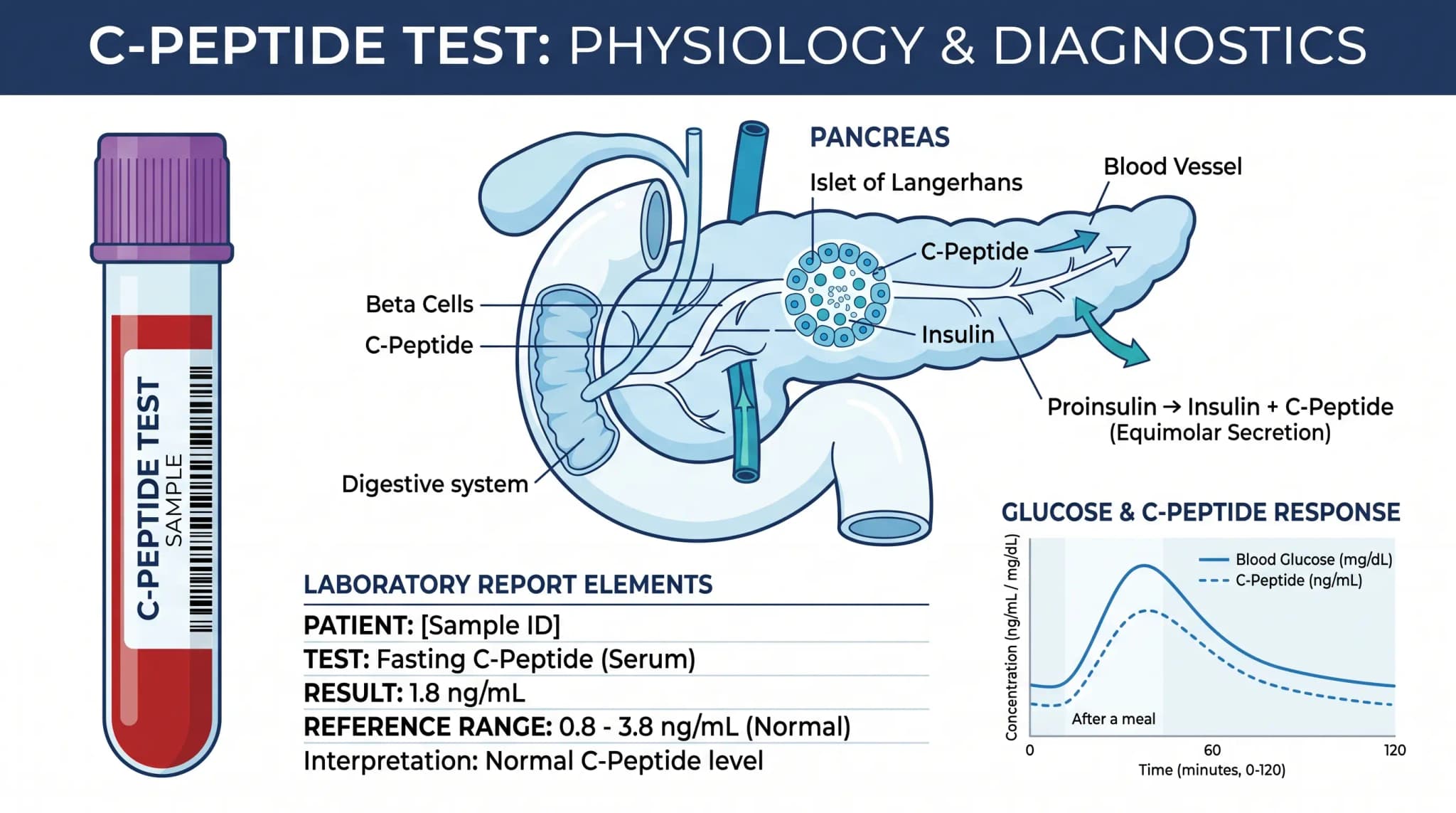
C-peptide test guide covering purpose, sample types, normal ranges, and how laboratories read low or high results in the right context today, in labs.