Fragment 176-191 CJC-1295 Ipamorelin Blend represents a sophisticated combination of three distinct peptide sequences frequently utilized in contemporary biochemical research. This specific formulation integrates a modified growth hormone segment with two different growth hormone secretagogues to explore their collective impact on cellular signaling. Scientists often investigate this blend because it targets multiple pathways within the endocrine system simultaneously. Consequently, understanding the individual characteristics of each component is essential for any laboratory study involving these compounds.
Understanding the Molecular Composition
This research blend consists of three primary synthetic peptides that researchers examine for their unique molecular structures and stability. The first component is hgh frag 176-191, which is a stabilized analog of the C-terminus of the human growth hormone molecule. Unlike the full length protein, this fragment only contains the amino acids from position 176 to 191.
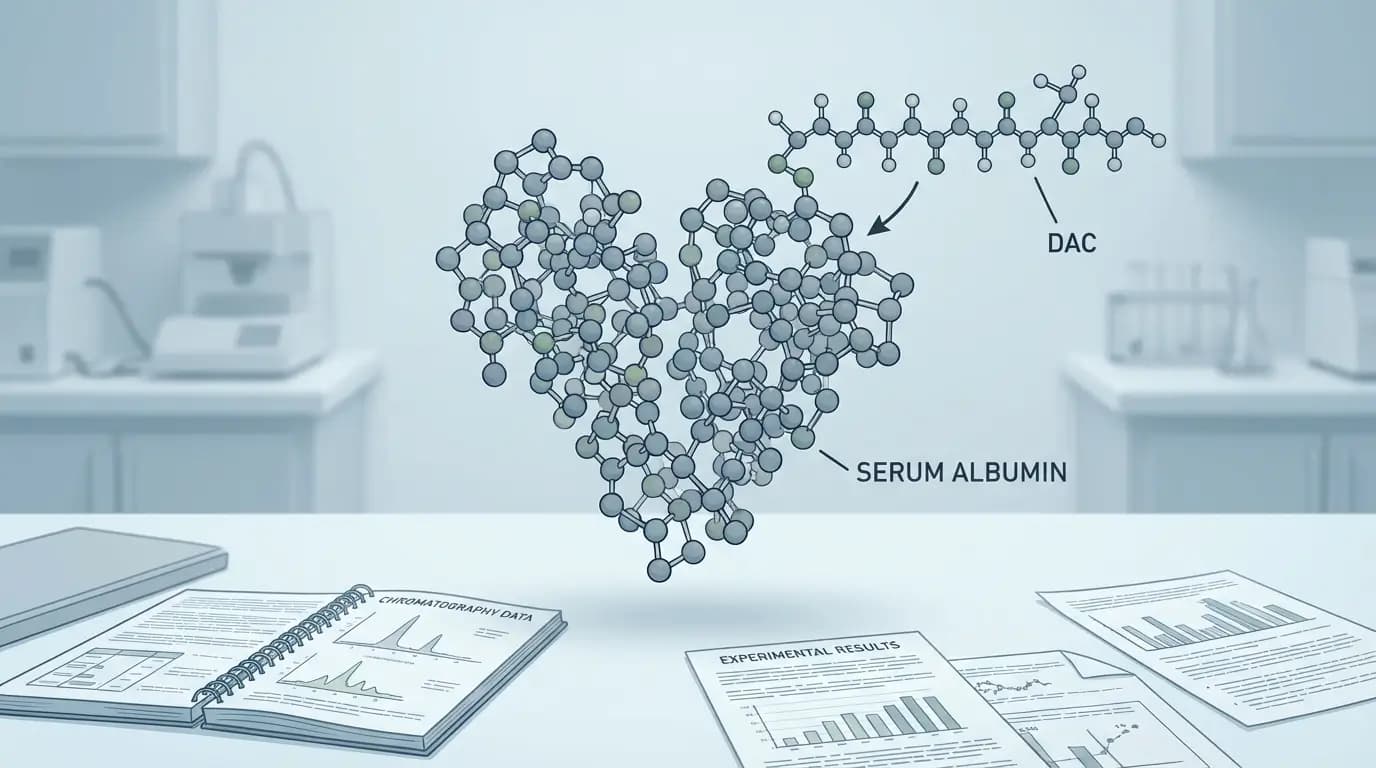
Secondly, the blend includes CJC-1295, a tetrasubstituted peptide analog of growth hormone-releasing hormone (GHRH). In many studies, researchers utilize the version without DAC (Drug Affinity Complex) to observe rapid fluctuations in signaling. Finally, Ipamorelin serves as the third component, acting as a selective ghrelin receptor agonist.
Chemical Properties of the Blend
Component | Molecular Formula | Sequence Type |
hgh frag 176-191 | $C_{78}H_{125}N_{23}O_{23}S_{2}$ | C-Terminal Fragment |
CJC-1295 (No DAC) | $C_{152}H_{252}N_{44}O_{42}$ | GHRH Analog |
Ipamorelin | $C_{38}H_{49}N_{9}O_{5}$ | Pentapeptide |
Mechanism of Action in Laboratory Models
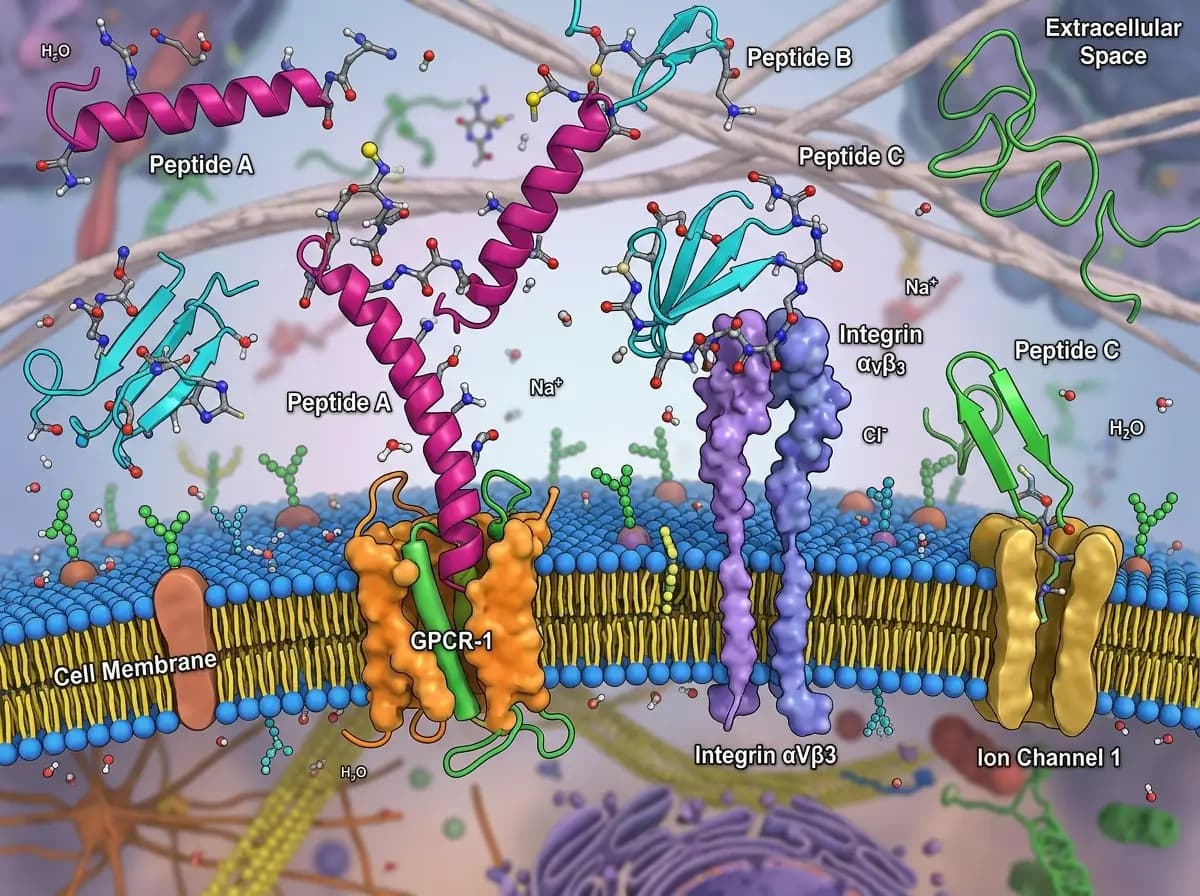
The mechanism behind the Fragment 176-191 CJC-1295 Ipamorelin Blend involves distinct biological pathways that regulate hormonal release and metabolic signaling. To begin with, the hgh frag 176-191 portion is specifically studied for its interaction with lipid metabolism in vitro. While it lacks the systemic growth effects of the full hormone, it appears to influence lipolytic pathways in isolated adipose tissues.
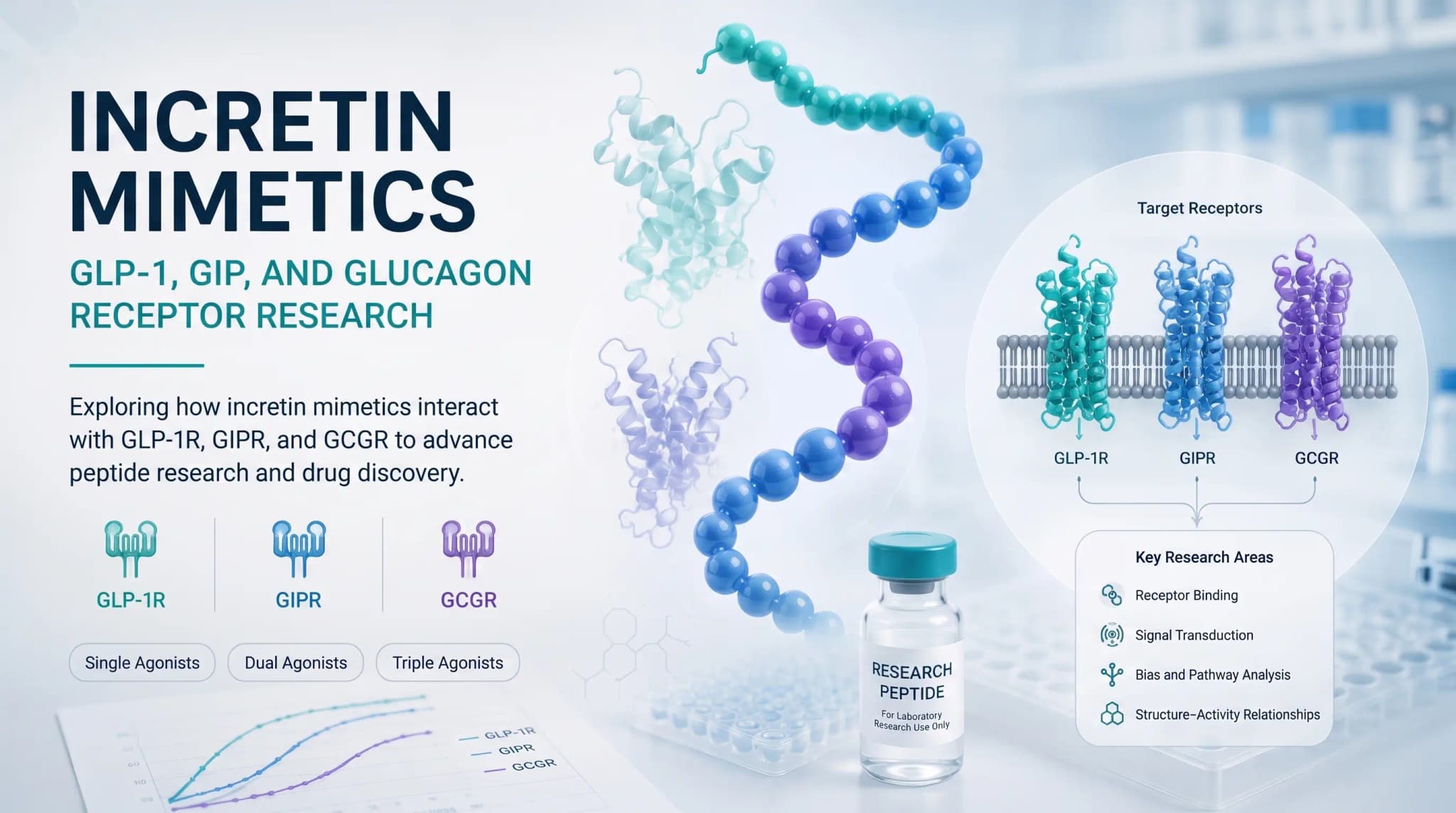
In addition, CJC-1295 works by stimulating the pituitary gland to increase the production of endogenous growth factors. This molecule acts on the GHRH receptors, providing a steady signal for release. In contrast, Ipamorelin targets the growth hormone secretagogue receptor (GHSR). Because it is highly selective, it does not typically affect prolactin or cortisol levels in most animal models. Therefore, the combination allows researchers to observe the effects of dual-pathway stimulation alongside a non-hormotropic fragment.
Synergistic Potential in Preclinical Studies
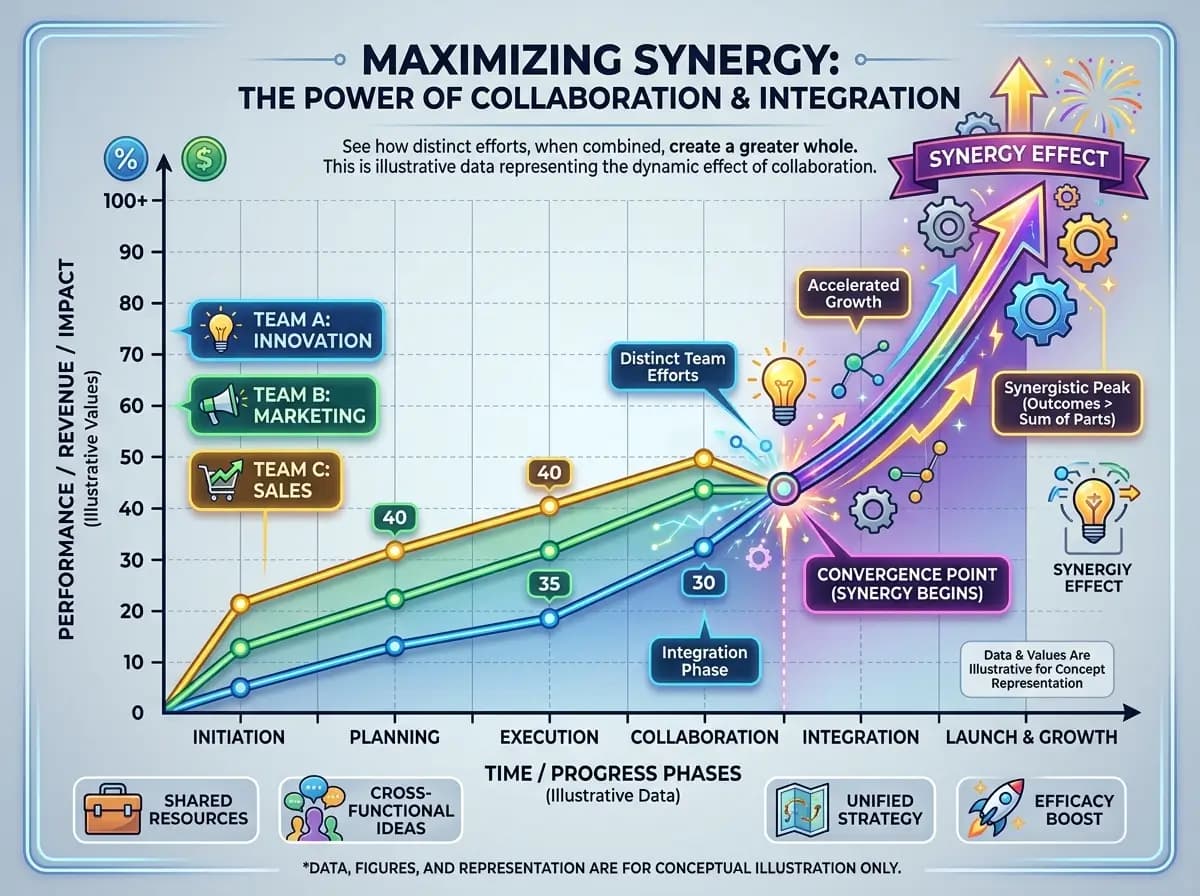
Researchers often choose this blend because of the potential synergy between the three compounds during preclinical trials. For instance, when CJC-1295 and Ipamorelin are present together, they may produce a more significant pulse of signaling than either peptide could achieve alone. This occurs because they hit two different receptor types in the pituitary.
Furthermore, the inclusion of hgh frag 176-191 adds a metabolic research dimension that the secretagogues alone do not provide. By combining these agents, scientists can observe how increased growth factor levels interact with direct lipolytic signaling. For that reason, the blend is a staple in studies focusing on metabolic efficiency and cellular energy expenditure. Indeed, many academic papers highlight that these multi-peptide formulations provide a more comprehensive view of endocrine regulation than single-molecule tests.
Comparative Analysis: The Triple Blend vs. Individual Peptides
A comparative look at these substances reveals why the blend is often preferred for broad spectrum laboratory observation. Individual peptides provide targeted data, but the blend allows for the study of complex interactions.
Targeted Research: Individual peptides like hgh frag 176-191 are best for isolating specific metabolic actions.
Broad Observation: The blend provides a wider lens into how secretagogues and fragments function in tandem.
Efficiency: Using a pre-mixed blend can standardize ratios across different research batches.
Receptor Interaction: The blend ensures that GHRH and GHSR pathways are activated concurrently.
Storage, Handling, and Stability for Scientific Use
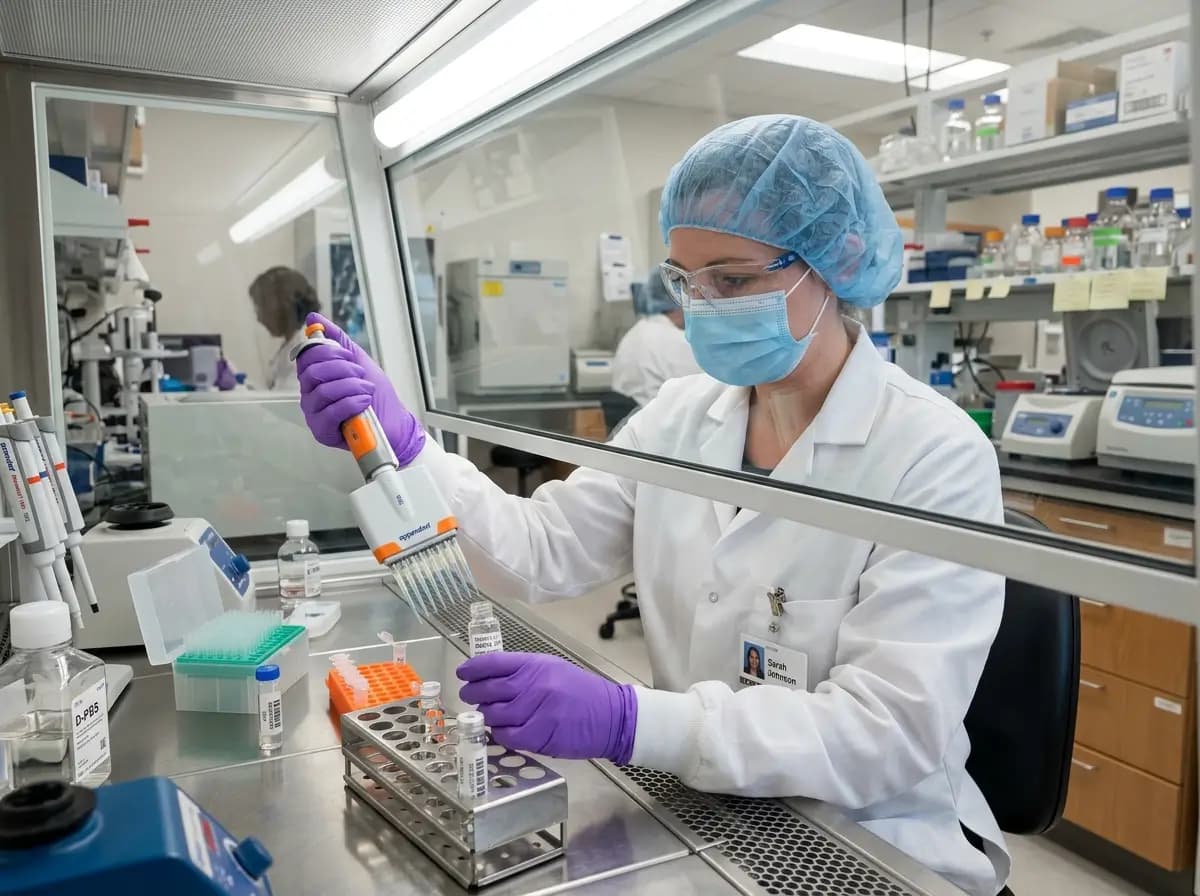
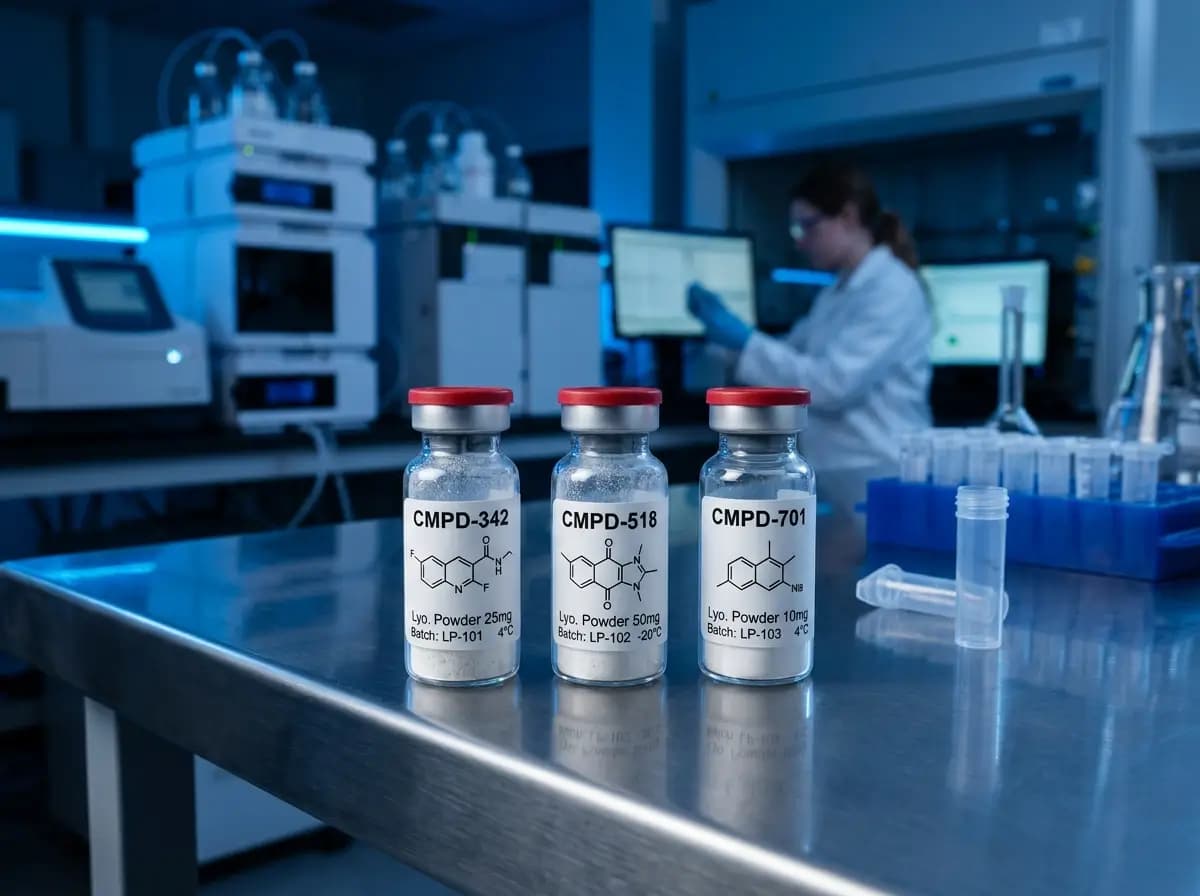
Maintaining the integrity of the Fragment 176-191 CJC-1295 Ipamorelin Blend requires strict adherence to laboratory protocols. These peptides are highly sensitive to environmental factors such as light, moisture, and temperature fluctuations. Most research facilities store the lyophilized powder at -20°C to ensure long term stability.
Additionally, once the peptides are reconstituted for laboratory testing, their shelf life decreases significantly. Researchers must handle the vials with care to avoid mechanical stress, as vigorous shaking can denature the delicate peptide bonds. It is also important to note that the solubility of each component may vary slightly. Specifically, hgh frag 176-191 may require specific pH adjustments or gentle stirring to achieve a clear solution in certain buffers.
Current Directions in Peptide Science Research

The landscape of peptide research is evolving, with more focus on how combined sequences like the Fragment 176-191 CJC-1295 Ipamorelin Blend can optimize experimental outcomes. Recent investigations have looked into the long term stability of these blends when exposed to various research environments. Moreover, the scientific community is increasingly interested in the secondary signaling effects that occur when multiple receptors are occupied at once.
Another area of interest involves the precise ratios of the components. Scientists are testing whether different concentrations of hgh frag 176-191 relative to the secretagogues can alter the metabolic response in mouse models. Consequently, this leads to a better understanding of how the body might naturally balance similar signaling molecules. All in all, these studies contribute to the growing body of knowledge regarding synthetic peptide applications in science.
Conclusion: Summary of Findings
The Fragment 176-191 CJC-1295 Ipamorelin Blend offers a unique opportunity for researchers to study complex biochemical interactions. By combining a growth hormone fragment with two powerful secretagogues, the blend covers multiple signaling pathways related to metabolism and endocrine function. While the individual peptides are valuable on their own, the synergy found in this combination provides a more robust framework for preclinical investigation. Scientists should continue to adhere to strict storage and handling guidelines to maintain the purity and efficacy of these research tools. For those looking to expand their laboratory studies, exploring the diverse mechanisms of this triple blend remains a highly relevant pursuit in the field of peptide science.