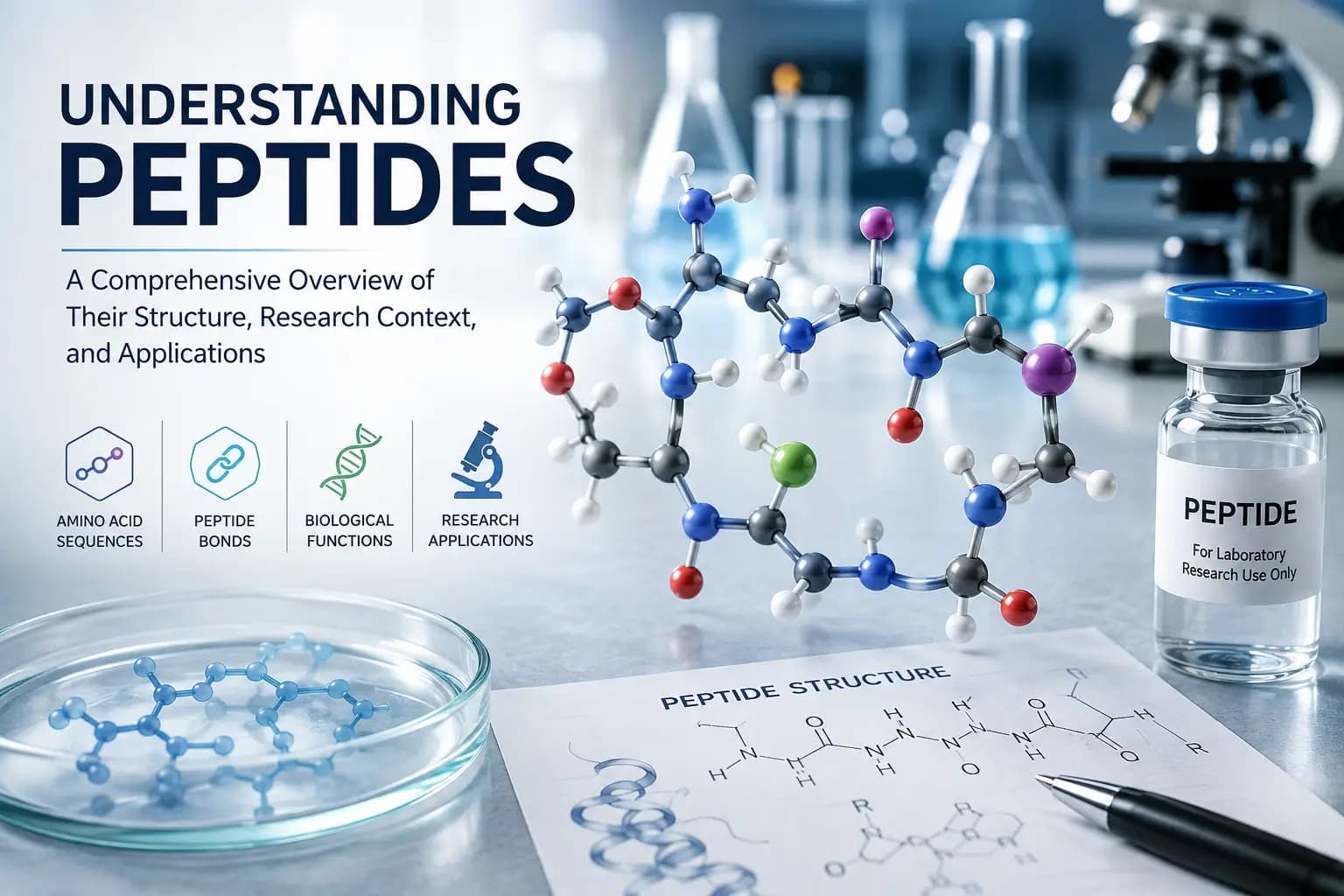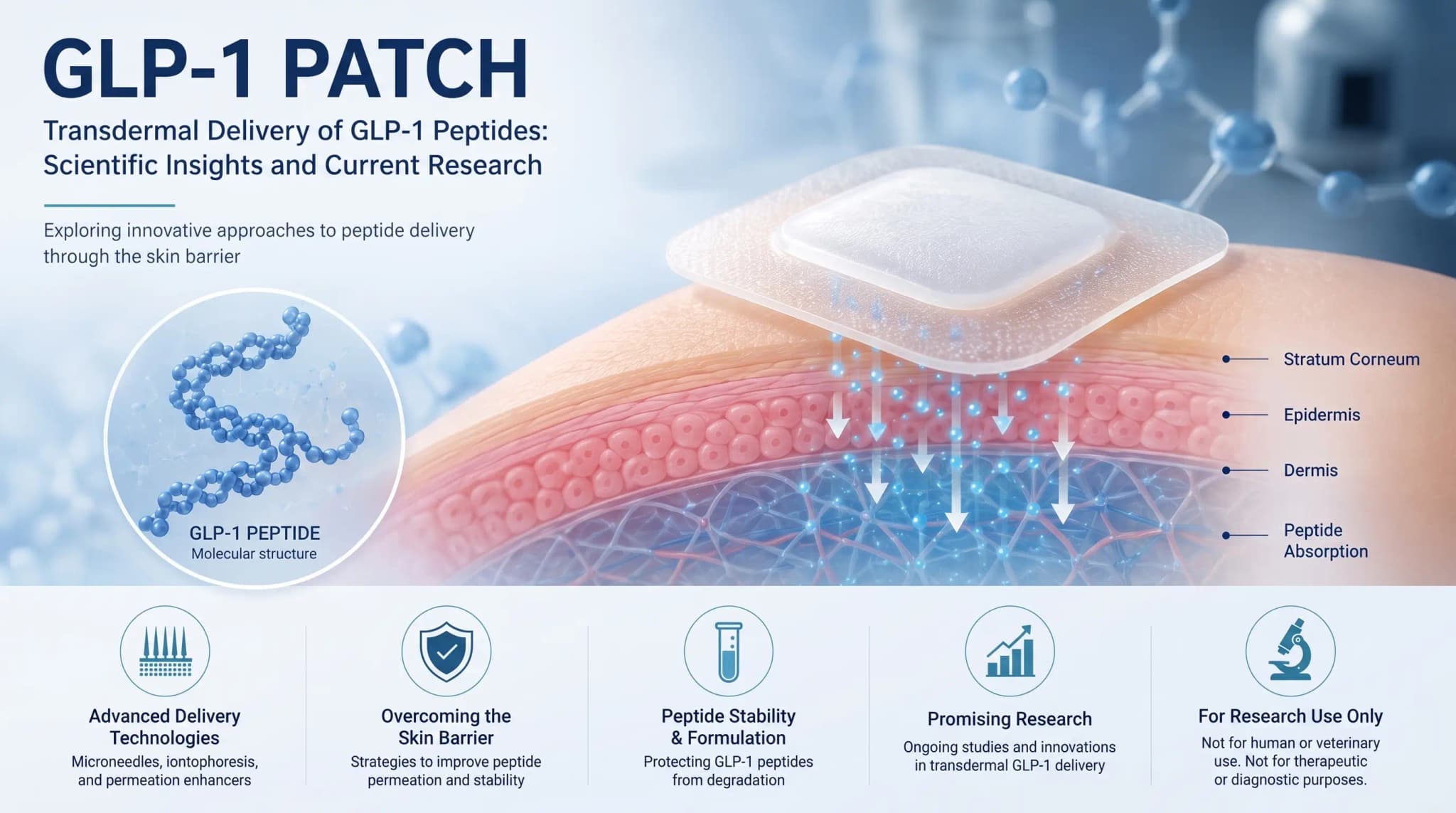
The Significance of Peptide Purity in Scientific Research
Peptide purity is a foundational parameter in laboratory research because it affects how confidently scientists can interpret data. When a peptide sample contains unintended byproducts, truncated sequences, residual reagents, or degradation products, the observed signal may no longer reflect the intended molecule alone. Therefore, peptide purity is not just a specification line on a label, it is a central part of research quality and reproducibility.
In many research applications, even small compositional differences can shift assay behavior, binding profiles, solubility, or stability. Accordingly, laboratories often review purity percentage alongside identity, molecular weight, and analytical testing methods before starting an experiment. This practice helps reduce uncertainty and supports more consistent experimental outcomes across batches and institutions.
Definition of peptide purity
Peptide purity refers to the proportion of the target peptide relative to all other detectable components in a sample. In other words, it expresses how much of the material matches the intended sequence compared with impurities such as deletion products, synthesis-related side products, salts, residual solvents, or breakdown fragments. The value is usually reported as a purity percentage, commonly determined by chromatographic area normalization or related analytical approaches.
However, peptide purity is not identical to identity. A sample may contain the correct peptide sequence, confirmed by mass spectrometry, while still including a measurable amount of closely related impurities. Because of this distinction, researchers typically interpret peptide purity together with orthogonal analytical testing methods rather than relying on a single metric.
A simple way to view the concept is shown below:
Term | Meaning in research context |
|---|---|
Identity | Confirms the expected peptide is present |
Peptide purity | Estimates how much of the sample is the intended peptide |
Purity percentage | Numerical expression of the target peptide fraction |
Research quality | Overall suitability for a defined scientific purpose |
Importance in establishing reliable research results
Reliable research depends on controlling as many variables as possible, and peptide purity is one of the most important controllable variables. If impurities interact with assay components, alter pH, change aggregation behavior, or introduce unexpected peaks in analytical readouts, the resulting data may be difficult to interpret. Consequently, a study using poorly characterized material can produce findings that are hard to reproduce.
Research groups often compare suppliers, batches, and purification technology because these factors influence consistency. For example, a peptide listed at 95 percent purity may be adequate for some exploratory screening work, whereas more demanding mechanistic studies may require tighter impurity control. The key point is that research quality depends on matching the material specification to the scientific question.
Several reasons explain why peptide purity matters in routine laboratory work:
It reduces uncertainty in assay interpretation.
It supports batch-to-batch consistency.
It improves comparability between collaborating laboratories.
It helps identify whether unexpected data arise from the target peptide or from impurities.
It strengthens documentation for publication and internal review.
Moreover, peptide purity has practical implications for budgeting and planning. A lower-purity material might appear less costly at first, yet repeated experiments, troubleshooting, and failed validation can increase total project cost. Thus, many teams treat purity percentage as part of risk management rather than a simple purchasing detail.
Implications of purity levels on experimental outcomes
Purity levels can influence experimental outcomes in direct and indirect ways. Directly, impurities may generate background signals, compete for binding sites, or alter chromatographic and spectrometric profiles. Indirectly, they may affect storage stability, solution behavior, or the interpretation of dose-response relationships in nonclinical models.
For instance, a truncated peptide sequence may resemble the target closely enough to co-elute under some conditions while still behaving differently in a receptor assay or structural study. Likewise, oxidized or deamidated forms can accumulate during storage and create drift in long-term projects. Therefore, understanding peptide purity helps researchers distinguish true molecular behavior from artifacts introduced by sample composition.
The impact of purity percentage often depends on the research application:
Research application | Why peptide purity matters |
|---|---|
Method development | Impurities can distort baseline and peak assignment |
Binding studies | Closely related analogs may interfere with interpretation |
Stability studies | Degradation products complicate time-course analysis |
Reference material comparison | Inconsistent purity weakens cross-study conclusions |
Nevertheless, purity should not be treated as the only marker of quality. A very high purity percentage does not automatically confirm proper folding, salt form, counterion profile, or long-term stability. Instead, peptide purity works best as one part of a broader quality control framework that includes identity testing, handling records, and fit-for-purpose evaluation.
In summary, peptide purity underpins credible scientific work because it shapes data clarity, reproducibility, and confidence in interpretation. Researchers who understand the meaning of purity percentage and the limits of analytical testing methods are better prepared to select suitable materials. As a result, they can design studies with stronger research quality and more dependable experimental outcomes.
Factors Influencing Peptide Purity
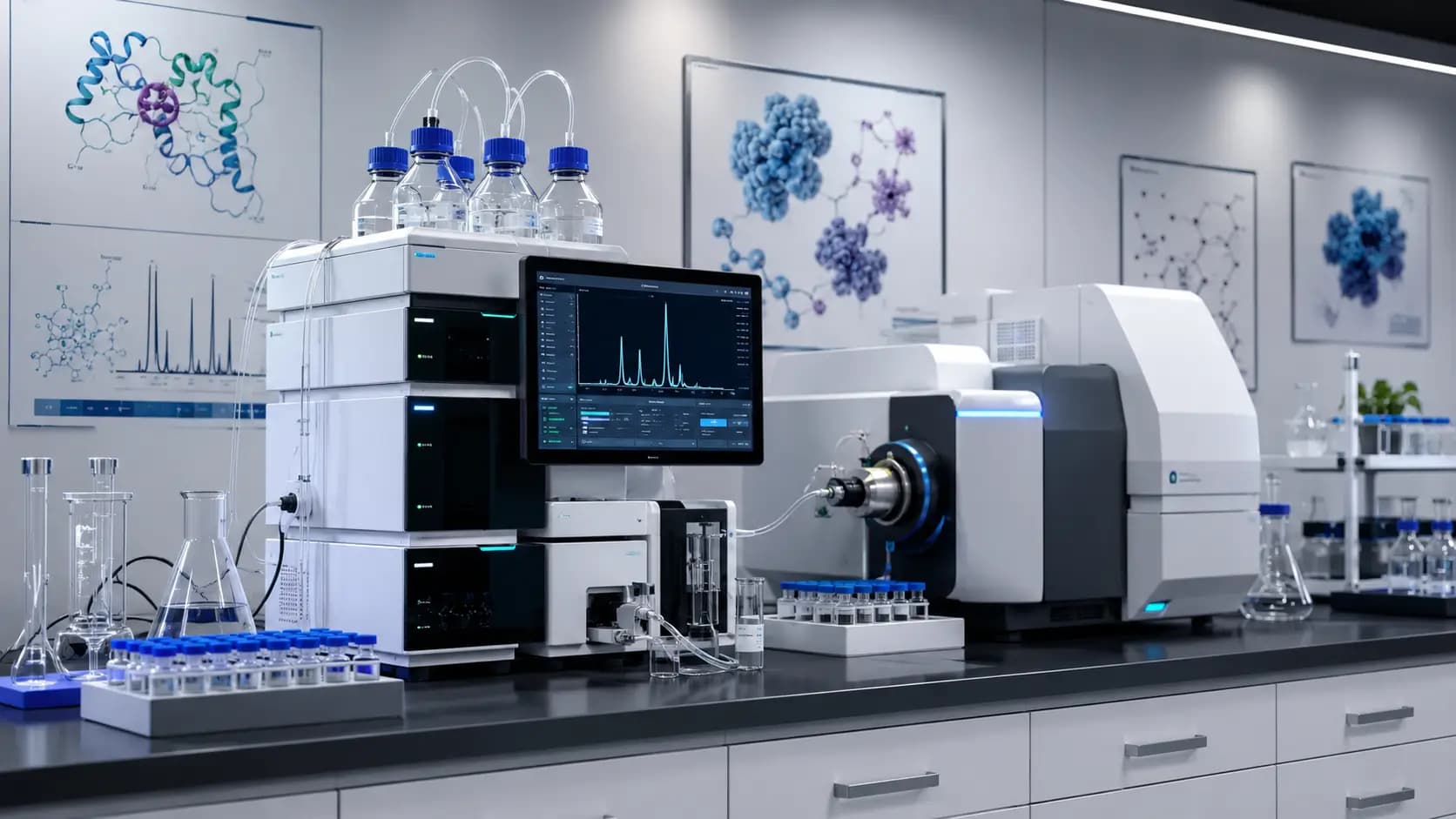
Many variables influence peptide purity before a sample ever reaches the bench. The synthesis route, reaction environment, purification technology, and post-production handling all contribute to the final purity percentage. Therefore, understanding these factors helps researchers interpret supplier specifications and choose material appropriate for their research applications.
Even when the target sequence is relatively short, peptide synthesis can generate complex impurity profiles. Accordingly, a peptide with the same nominal identity may differ substantially in composition depending on manufacturing controls. This is why quality control measures begin well before final analytical testing methods are applied.
Peptide synthesis methods
Peptide synthesis methods strongly affect peptide purity because each reaction cycle introduces opportunities for incomplete coupling, side reactions, or sequence deletions. Solid-phase peptide synthesis is widely used in research production, yet its efficiency depends on resin choice, protecting groups, reagent quality, and cycle optimization. Consequently, small inefficiencies can accumulate across longer sequences and reduce the final purity percentage.
Some synthesis workflows prioritize speed, while others prioritize tighter process control and cleaner crude product profiles. For instance, difficult sequences may require modified coupling strategies or capping steps to limit truncation products. Moreover, cleavage conditions and deprotection chemistry can generate additional impurities if not carefully optimized.
Common synthesis-related sources of impurity include:
Incomplete amino acid coupling
Deletion sequences
Side-chain modification during deprotection
Racemization at sensitive residues
Aggregation on resin during chain elongation
Because of these risks, peptide synthesis methods should be evaluated together with downstream purification technology. A robust purification step can remove many impurities, but it cannot fully compensate for a poorly controlled crude synthesis.
Environmental conditions affecting synthesis
Environmental conditions during production also influence peptide purity. Temperature, humidity, oxygen exposure, and solvent quality can alter reaction efficiency or promote unwanted chemical changes. For example, moisture-sensitive reagents may degrade before use, which can lower coupling success and increase impurity formation.
During multi-step synthesis, even minor shifts in environmental control may create variability between batches. Furthermore, oxidation-sensitive residues can be affected by air exposure, especially in longer workflows or during intermediate handling. Therefore, controlled laboratory conditions are part of research quality, not just general good practice.
A brief overview appears below:
Environmental factor | Potential effect on peptide purity |
|---|---|
Temperature variation | Alters reaction rate and side-product formation |
Humidity | Degrades moisture-sensitive reagents |
Oxygen exposure | Promotes oxidation of susceptible residues |
Solvent quality | Affects coupling efficiency and impurity profile |
Storage and handling considerations
Peptide purity can decline after synthesis if storage and handling are not well controlled. Light, repeated freeze-thaw exposure, moisture uptake, and unsuitable container materials may contribute to degradation or contamination over time. Hence, a sample that met its original purity percentage may no longer reflect that value after prolonged or improper storage.
Researchers should distinguish between manufacturing purity and maintained purity during laboratory use. In addition, aliquoting practices, low-temperature storage, and minimizing repeated vial opening can help preserve sample integrity for future experiments. Technical handling guidance should remain laboratory-oriented and based on the material's documented characteristics.
Useful handling considerations include:
Review storage temperature recommendations from the supplier.
Limit unnecessary exposure to ambient moisture.
Record lot number, opening date, and storage history.
Use clean laboratory tools to reduce cross-contamination.
Reassess peptide purity for long-running studies when appropriate.
Although storage cannot improve peptide purity, it can preserve the original research quality of a well-characterized sample. Conversely, poor handling can undermine carefully produced material and complicate experimental outcomes. For that reason, storage and handling belong within the same quality conversation as synthesis and purification.
Analytical Techniques for Assessing Peptide Purity

Analytical techniques are essential for determining peptide purity because visual inspection alone cannot reveal most impurities. Laboratories rely on multiple analytical testing methods to estimate purity percentage, confirm identity, and characterize related components. Therefore, peptide purity is best understood through a combination of complementary tools rather than a single assay.
Different methods answer different questions. HPLC often estimates the proportion of the main component, mass spectrometry helps verify molecular weight and impurity masses, and NMR can provide structural information. Moreover, emerging platforms continue to improve sensitivity, throughput, and impurity resolution for advanced research applications.
High-performance liquid chromatography (HPLC)
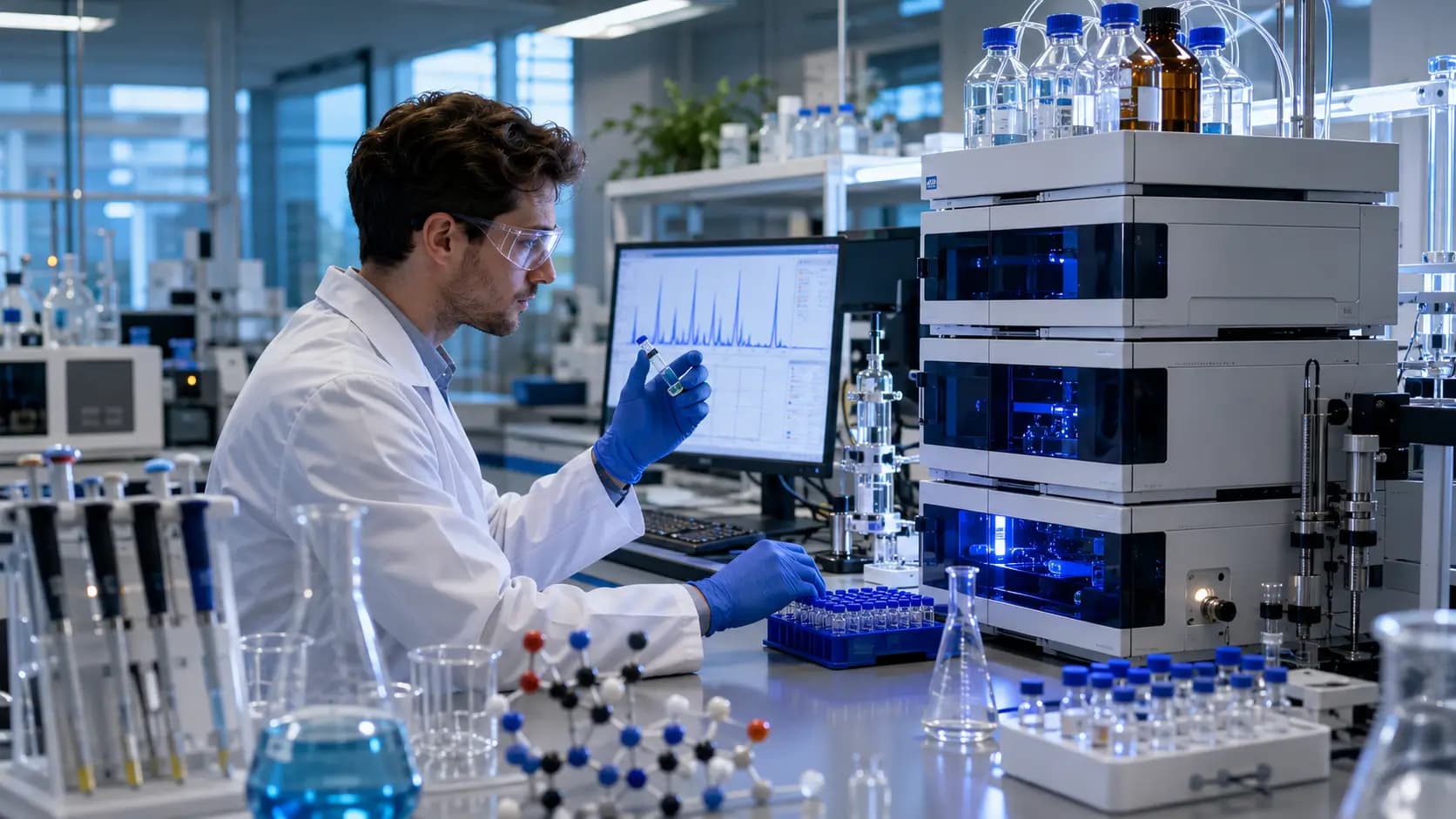
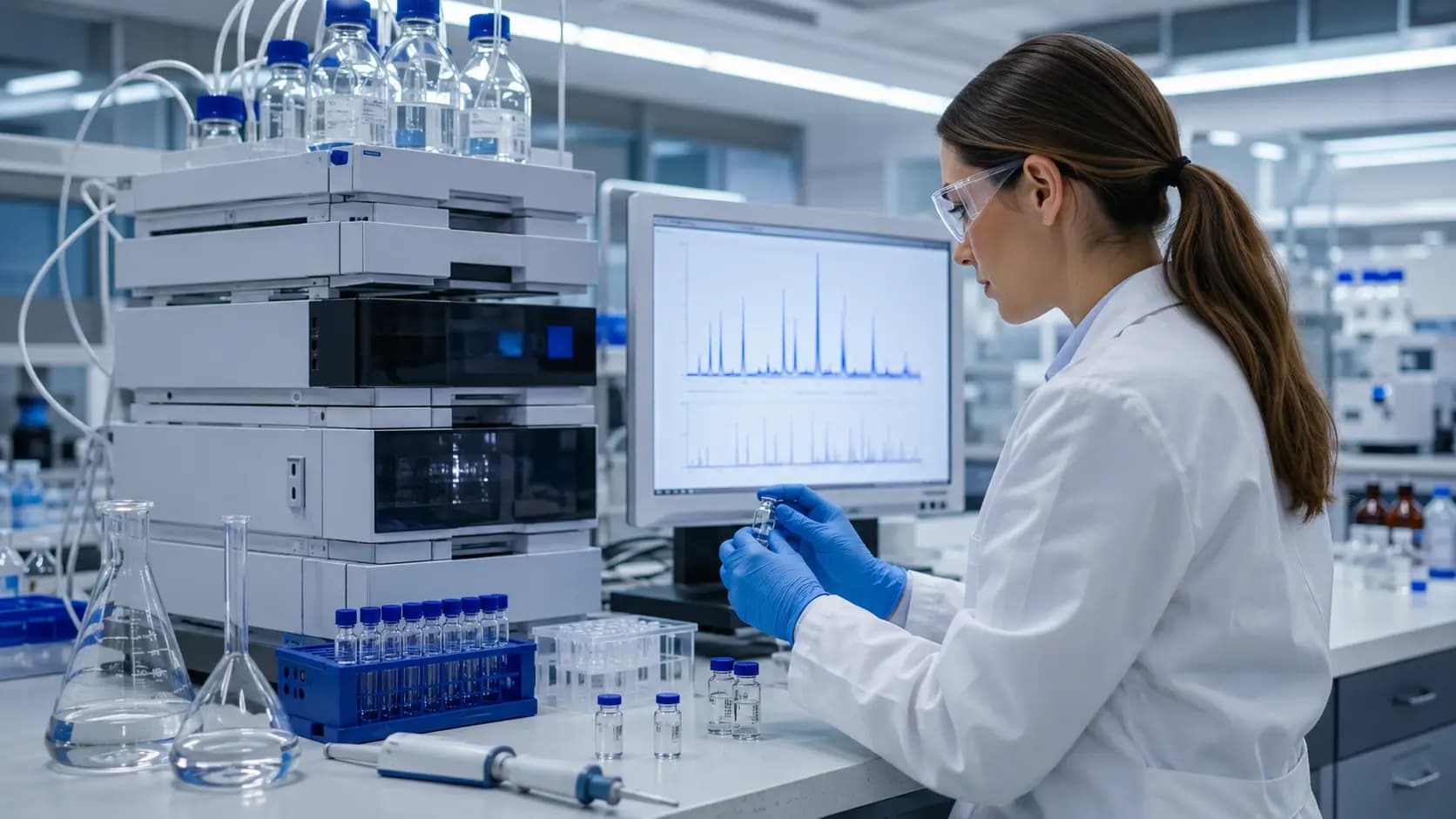
High-performance liquid chromatography is one of the most widely used analytical testing methods for peptide purity. It separates components in a sample based on their interaction with the stationary phase and mobile phase, producing a chromatogram with peaks that correspond to different species. Accordingly, the area of the main peak is often used to estimate purity percentage.
Reverse-phase HPLC is especially common for peptides because it provides strong resolving power for compounds with similar structures. However, the reported peptide purity depends on method conditions such as column chemistry, gradient design, detection wavelength, and sample preparation. Because of this, purity percentage values from different laboratories are not always directly interchangeable.
HPLC offers several research advantages:
Good separation of related impurities
Routine suitability for batch release testing
Quantitative peak area comparison
Broad use across peptide synthesis workflows
Yet HPLC also has limits. Co-eluting impurities may remain hidden under certain conditions, and UV detection does not always reflect equal response for every component. Therefore, peptide purity data from HPLC are most informative when paired with orthogonal identity testing.
Mass spectrometry
Mass spectrometry complements HPLC by confirming the expected molecular weight and detecting related impurity masses. In peptide research, it is often used after chromatographic separation or as part of LC-MS workflows. Consequently, researchers can evaluate both the presence of the target peptide and the mass profile of side products in a single analytical sequence.
Mass spectrometry is particularly useful for identifying deletion sequences, adducts, oxidized forms, and other synthesis-related variants. For example, a sample may show a dominant expected mass while still containing lower-level species that explain unusual experimental outcomes. In this way, mass spectrometry strengthens interpretation of peptide purity beyond a simple chromatographic percentage.
Still, mass spectrometry does not always provide complete quantitative purity information on its own. Ionization efficiency can vary between compounds, and low-abundance impurities may require optimized settings for clear detection. Nevertheless, it remains one of the most valuable analytical testing methods in modern peptide research.
Nuclear magnetic resonance (NMR)
Nuclear magnetic resonance offers structural insight that can support peptide purity assessment, although it is generally less routine than HPLC for release-style testing. NMR can help confirm the chemical environment of atoms within a peptide and detect certain impurities or conformational features. Furthermore, it may be especially useful when a project requires deeper characterization of a reference material.
For complex or high-value research applications, NMR can provide evidence that complements chromatographic and mass-based data. It may reveal solvent residues, unusual chemical modifications, or structural heterogeneity not obvious from one technique alone. However, NMR often requires more material and specialized interpretation than standard chromatographic assays.
A practical comparison is shown below:
Technique | Main contribution to peptide purity assessment | Common limitation |
|---|---|---|
HPLC | Estimates purity percentage by peak separation | Co-elution can occur |
Mass spectrometry | Confirms molecular weight and impurity masses | Quantitation may vary by ionization |
NMR | Provides structural and compositional context | Lower routine throughput |
Other emerging techniques
Other emerging techniques are expanding how peptide purity is evaluated in research settings. Capillary electrophoresis, ultra-high-performance liquid chromatography, high-resolution LC-MS, and automated data-analysis platforms can improve impurity detection and throughput. Additionally, multidimensional separations are being explored for difficult sequences that challenge conventional methods.
Some laboratories also use orthogonal workflows that combine chromatographic, spectrometric, and software-driven pattern analysis. As a result, they can build a more complete impurity profile and improve confidence in research quality. This is especially relevant when peptide synthesis methods generate closely related byproducts that are hard to distinguish by one technique alone.
Examples of newer or expanded approaches include:
UHPLC for faster and higher-resolution separations
Capillary electrophoresis for charge-based separation
High-resolution LC-MS for detailed impurity mapping
Automated peak deconvolution tools for complex datasets
In conclusion, peptide purity assessment works best when analytical testing methods are selected according to the scientific goal. A routine screen may rely mainly on HPLC and mass confirmation, whereas advanced characterization may add NMR or emerging techniques. Thus, strong analytical design supports clearer interpretation, better quality control measures, and more reliable experimental outcomes.
Quality Control Measures for Peptide Purification

Quality control measures are the operational framework that helps maintain peptide purity from synthesis through final release. Without clear procedures, even well-designed peptide synthesis methods can produce inconsistent impurity profiles across batches. Therefore, laboratories and manufacturers rely on documented controls to support research quality and traceability.
These measures are especially important because purification technology alone does not guarantee a consistent final material. Instead, quality arises from a chain of controlled actions, including synthesis monitoring, purification checks, analytical review, and recordkeeping. Accordingly, peptide purity should be seen as the output of a system rather than a single purification event.
Standard operating procedures for synthesis
Standard operating procedures help reduce variation during peptide production. They typically define reagent preparation, coupling cycles, deprotection steps, equipment cleaning, in-process checks, and documentation requirements. Because consistency is essential, SOPs support both peptide purity and broader quality control measures.
A strong SOP does not need to be overly complex, but it should be specific enough to reduce operator-dependent variation. Furthermore, difficult sequences may require sequence-specific notes to address aggregation, incomplete coupling, or oxidation risk. This level of control improves reproducibility and supports clearer interpretation of analytical testing methods.
Common SOP elements include:
Verified raw material identity
Defined reaction parameters
Equipment calibration records
In-process sampling criteria
Deviation and corrective action documentation
Purity checks and validation processes
Purity checks are used to confirm that the final material aligns with predefined specifications. These checks often include HPLC for purity percentage, mass spectrometry for identity support, and review of chromatographic consistency across lots. Consequently, validation processes help determine whether the peptide is suitable for its intended research applications.
Validation does not always mean the same thing in every laboratory context. In a research setting, it may involve confirming that analytical testing methods are fit for purpose, reproducible, and appropriately sensitive for the peptide under study. Moreover, repeating selected tests over time can help detect drift in peptide purity or storage-related degradation.
A simple validation framework may include:
Control area | Purpose |
|---|---|
Method suitability | Confirms the assay can resolve relevant components |
Repeatability | Checks consistency across runs |
Reference comparison | Verifies expected peak or mass profile |
Documentation review | Supports traceability and lot assessment |
Role of Certificates of Analysis (COAs)
Certificates of Analysis are key documents in peptide research because they summarize important quality attributes for a specific lot. A COA often includes sequence information, molecular weight, purity percentage, storage guidance, batch number, and the analytical testing methods used. Therefore, it serves as a practical bridge between manufacturing records and laboratory decision-making.
Researchers should read COAs critically rather than treating them as a formality. For instance, the reported peptide purity should be interpreted alongside the method used, the date of analysis, and any available chromatograms or spectra. In addition, a COA can help laboratories compare lots and maintain internal records for long-term projects.
When reviewing a COA, researchers often look for:
Lot-specific purity percentage
Identity-related analytical data
Date of testing
Storage and handling notes
Method references or chromatographic attachments
In summary, quality control measures turn peptide purification into a documented and repeatable process. SOPs reduce variation, validation supports confidence in analytical testing methods, and COAs provide lot-specific evidence for research quality. As a result, peptide purity becomes easier to understand, compare, and maintain across research applications.
Challenges in Maintaining Peptide Purity
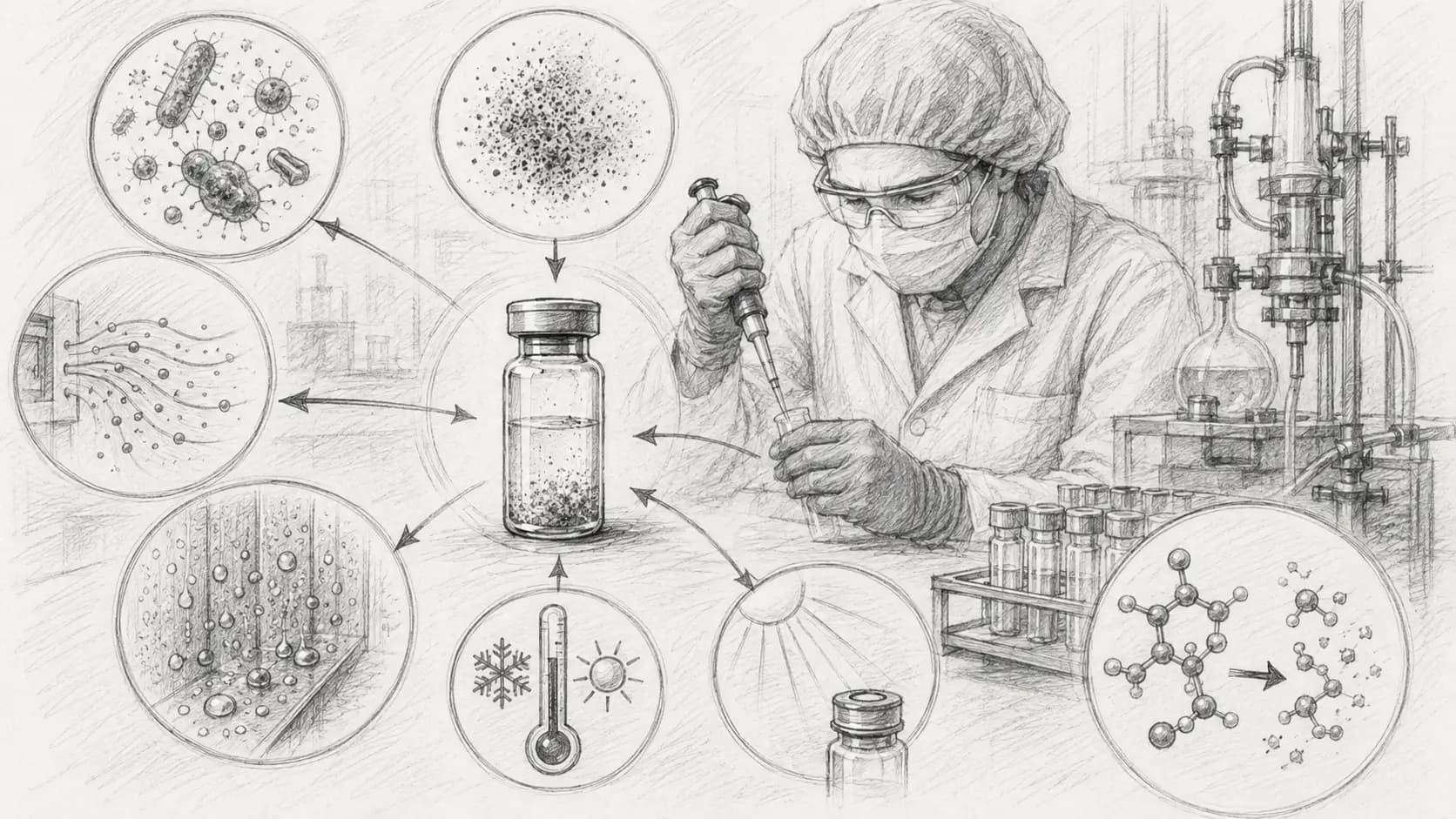
Maintaining peptide purity is often more difficult than achieving an acceptable initial purity percentage. Peptides can be chemically sensitive, sequence-dependent, and vulnerable to contamination during multiple stages of production and use. Therefore, preserving research quality requires attention not only to synthesis and purification technology, but also to long-term handling and monitoring.
Some challenges are obvious, such as incomplete synthesis or visible contamination. However, many issues are subtle and appear only after analytical testing methods reveal extra peaks, mass shifts, or changes in solution behavior. Consequently, researchers benefit from understanding the most common failure points before they affect experimental outcomes.
Common pitfalls in synthesis processes
One major challenge comes from synthesis-related errors that create impurity profiles difficult to remove later. Incomplete coupling, poor deprotection efficiency, resin-related aggregation, and side-chain reactions can all reduce peptide purity at the crude stage. Because these impurities may resemble the target peptide closely, purification technology may need multiple passes to improve the final material.
Longer or more hydrophobic sequences often present additional difficulties. For example, sequence-dependent aggregation on resin can block reagent access and increase deletion products. Likewise, sensitive residues may undergo unintended modifications during cleavage or workup, which complicates both purity percentage and identity assessment.
Frequent synthesis pitfalls include:
Insufficient coupling efficiency
Sequence truncation
Oxidation during processing
Incomplete removal of protecting groups
Carryover from previous runs due to poor cleaning
Degradation and contamination factors
Even after purification, degradation can lower peptide purity over time. Moisture, heat, light, oxygen, and repeated handling may promote hydrolysis, oxidation, deamidation, or aggregation. Hence, a peptide that begins as high research quality can become less reliable if storage conditions are not controlled.
Contamination is another persistent concern. Cross-contact with other laboratory materials, non-dedicated tools, or poorly sealed containers may introduce foreign substances that interfere with analytical testing methods and downstream assays. Moreover, contamination does not always appear as a large impurity peak, which makes preventive quality control measures especially important.
A quick overview appears below:
Challenge type | Example impact on peptide purity |
|---|---|
Chemical degradation | New impurity peaks form during storage |
Physical instability | Aggregation changes sample behavior |
Environmental exposure | Moisture or oxygen alters the sample |
Laboratory contamination | Foreign materials complicate assay interpretation |
Strategies for enhancing purity levels
Improving and maintaining peptide purity requires a combined strategy rather than a single fix. Better peptide synthesis methods, optimized purification technology, controlled storage, and repeat analytical review all contribute to cleaner and more stable material. Accordingly, laboratories often focus on prevention first and correction second.
Several practical strategies can support higher purity levels:
Optimize coupling and deprotection conditions for difficult sequences.
Use orthogonal analytical testing methods to detect hidden impurities.
Apply sequence-appropriate purification technology rather than generic workflows.
Minimize repeated sample exposure during storage and retrieval.
Track lot history and retest when a project extends over time.
Nevertheless, not every project requires the same purity threshold. The most useful approach is to define fit-for-purpose specifications based on the intended research applications and the sensitivity of the assay system. In short, maintaining peptide purity is a continuous process that links production discipline with careful laboratory handling.
Future Directions in Peptide Purity Research
Peptide purity research is evolving as laboratories seek better ways to detect low-level impurities, improve reproducibility, and align material specifications with increasingly complex research applications. Traditional methods remain important, yet new tools are expanding how purity percentage and compositional quality are evaluated. Therefore, the future of peptide purity will likely involve more integrated and data-rich workflows.
This direction reflects a broader shift in research quality management. Instead of viewing quality control measures as endpoint checks, many groups now emphasize continuous characterization across synthesis, purification, storage, and use. As a result, peptide purity may become more dynamically monitored throughout a project lifecycle.
Innovations in analytical methodologies
Analytical innovation is one of the most active areas in peptide purity research. Higher-resolution chromatography, improved mass accuracy, automated impurity annotation, and software-assisted peak analysis are making it easier to distinguish closely related species. Accordingly, researchers can build more detailed impurity maps than was practical in older workflows.
Another important trend is the use of orthogonal analytical testing methods in coordinated panels. For instance, combining UHPLC, high-resolution LC-MS, and targeted structural analysis can reveal impurities that might escape a single-method screen. Furthermore, data integration tools may improve lot comparison and long-term stability tracking across laboratories.
Promising analytical developments include:
Faster high-resolution chromatographic platforms
Improved software for impurity profiling
Better integration of chromatographic and mass data
Expanded use of automated trend analysis for lot monitoring
Potential advancements in purification technology
Purification technology is also advancing to address sequence complexity and scale-related challenges. More selective stationary phases, better gradient control, and multidimensional purification workflows may improve separation of closely related peptide species. Consequently, future processes may achieve cleaner final profiles with fewer repeat purification cycles.
Researchers are also interested in process designs that reduce impurity formation before purification begins. In other words, the future may involve tighter coupling between peptide synthesis methods and downstream purification planning. This integrated approach could improve peptide purity while also supporting more efficient quality control measures.
A simplified view is shown below:
Area of advancement | Likely benefit |
|---|---|
Higher-selectivity purification media | Better separation of related impurities |
Multidimensional purification | Improved resolution for difficult sequences |
Process-integrated monitoring | Earlier detection of impurity formation |
Automation | More consistent batch handling |
Regulatory considerations and their impact on research
Regulatory expectations can influence how peptide purity is documented, even in nonclinical and early-stage research environments. While requirements differ by context, there is growing emphasis on traceability, method transparency, and lot-specific documentation. Therefore, researchers may increasingly expect clear COAs, defined analytical testing methods, and consistent quality control measures from suppliers.
This trend does not necessarily mean every research peptide will be characterized to the same standard. However, it does encourage more structured reporting of purity percentage, identity confirmation, and storage recommendations. In addition, competitive sport organizations may restrict certain substances, and users are responsible for checking applicable rules.
Looking ahead, regulatory and institutional oversight may shape research quality in several ways:
Greater emphasis on lot traceability
More detailed reporting of analytical methods
Stronger expectations for documentation consistency
Increased scrutiny of labeling and intended research use statements
In summary, the future of peptide purity research will likely combine analytical innovation, smarter purification technology, and more structured documentation practices. These developments can help researchers interpret materials more accurately and design studies with stronger technical foundations. Thus, peptide purity will remain a core parameter in modern laboratory science.