The Role of Bac Water in Peptide Research and Reconstitution
Bac water for peptides is a common topic in laboratory peptide studies because reconstitution quality can influence downstream analysis, storage planning, and sample consistency. In research settings, scientists evaluate not only the peptide itself but also the solvent environment used during preparation. Therefore, a clear understanding of bac water for peptides helps beginners build stronger technical habits and helps experienced teams maintain reproducible workflows.
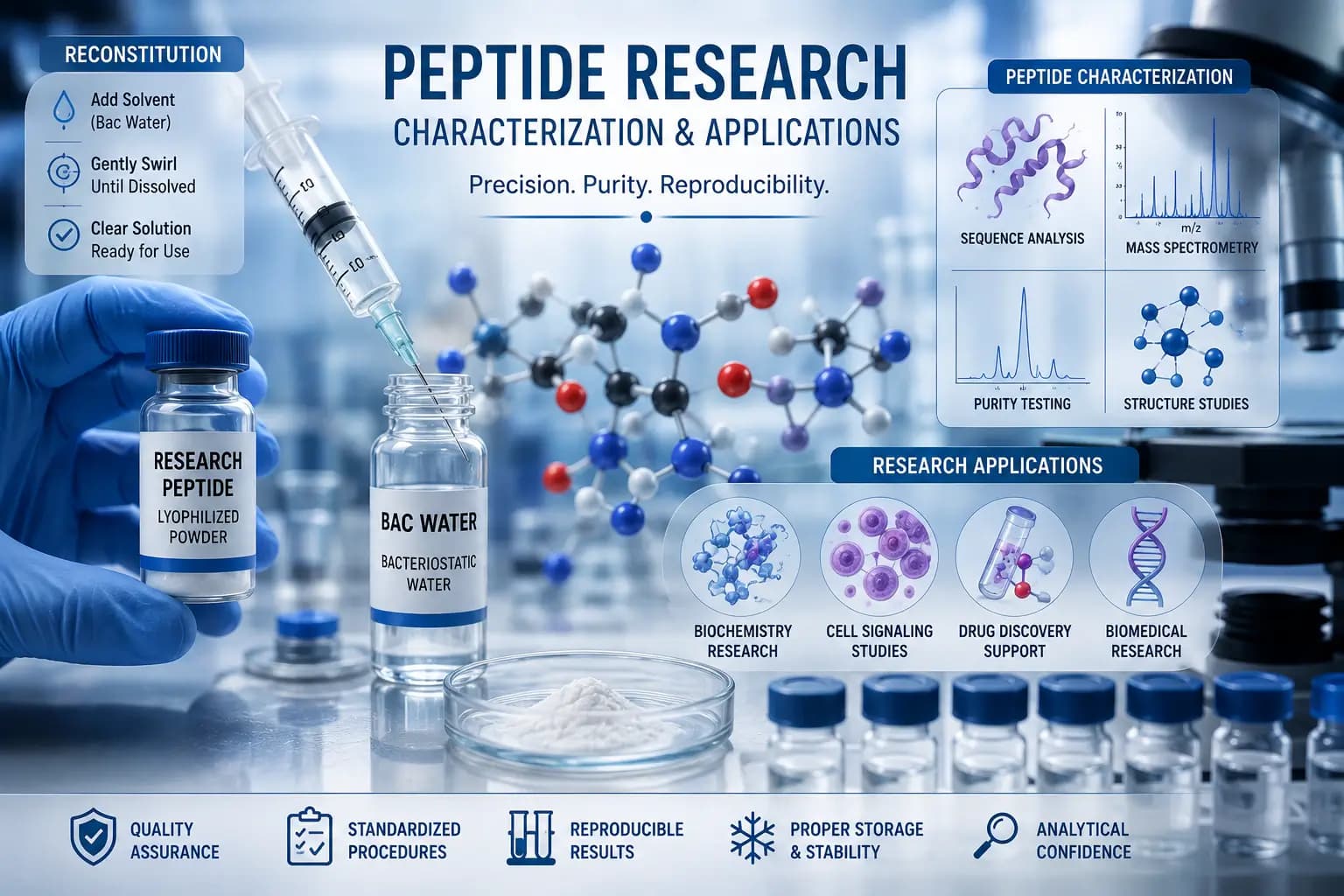
Peptide research applications often begin with a lyophilized material that must be brought into solution for analytical methods for peptides, assay preparation, or sequence verification. However, the solvent choice depends on the peptide’s chemistry, the intended laboratory method, and the required storage period. Bac water for peptides is discussed most often when researchers compare solvent compatibility, sterility considerations, and short-term handling practices in controlled environments.
Understanding Bac Water
Bac water, short for bacteriostatic water, is purified water that contains a bacteriostatic preservative, commonly benzyl alcohol, to reduce microbial growth in multi-use laboratory contexts. In other words, it is not simply sterile water, because the preservative changes how the solution behaves during storage and repeated access. For laboratory peptide studies, bac water for peptides is considered a technical handling medium rather than a universal solvent.
Researchers usually distinguish bac water from several other preparation liquids:
Solvent type | General characteristic | Common research consideration |
|---|---|---|
Bac water | Water with bacteriostatic preservative | Used when repeated vial access is being evaluated |
Sterile water | Water without preservative | Often selected for single-use preparation |
Saline solution | Water with dissolved salt | May affect ionic environment |
Buffered solution | Water adjusted to defined pH | Useful for pH-sensitive peptide systems |
This distinction matters because peptide sequence analysis and purity testing for peptides can be influenced by the matrix in which the sample is dissolved. For example, preservatives or salts may interfere with certain detectors, chromatographic baselines, or mass spectrometry signal interpretation. Accordingly, bac water for peptides may be suitable for one laboratory step but less suitable for another.
A beginner should also understand that bac water is not a synonym for all peptide solvents. Some peptides dissolve readily in water-based systems, whereas others require acidified water, buffered media, or mixed solvent systems. Nevertheless, bac water for peptides remains part of the broader discussion on standardized sample handling, especially when research peptides catalog entries mention water solubility without guaranteeing identical behavior across all sequences.
Importance of Bac Water in Peptide Solubility
Peptide solubility is shaped by amino acid composition, sequence length, charge distribution, hydrophobicity, and formulation history. Because of these variables, bac water for peptides cannot be treated as a one-size-fits-all solution. Instead, researchers assess whether the peptide is likely to remain stable, disperse evenly, and stay compatible with the next analytical step.
In practical laboratory peptide studies, the solvent must support three goals:
adequate dissolution for the intended concentration range
compatibility with analytical methods for peptides
minimal impact on peptide stability and storage
Some peptides with strong hydrophilic character dissolve easily in aqueous systems. Conversely, hydrophobic or aggregation-prone sequences may show partial dissolution, visible particulates, or inconsistent concentration recovery. Therefore, bac water for peptides is often evaluated alongside alternative media rather than assumed to be optimal by default.
The preservative component also deserves attention. Although it can help limit microbial contamination in certain handling scenarios, it may not be ideal for every peptide research application. For instance, researchers conducting highly sensitive purity testing for peptides or mass-based identity checks may prefer a simpler solvent matrix to reduce background signals. Similarly, peptide synthesis techniques and post-synthesis characterization workflows often call for solvent choices that align closely with instrument requirements.
A useful lab approach is to document solvent selection with the same care used for peptide sequence analysis or molecular weight of peptides verification. That record may include lot number, concentration target, date of reconstitution, visual observations, and intended storage conditions. Moreover, these notes support reproducibility when multiple analysts work from the same research peptides catalog over time.
For laboratory research use only. Not intended for use in humans or animals. Not intended to diagnose, treat, cure, or prevent any disease.
Overview of Peptide Characteristics
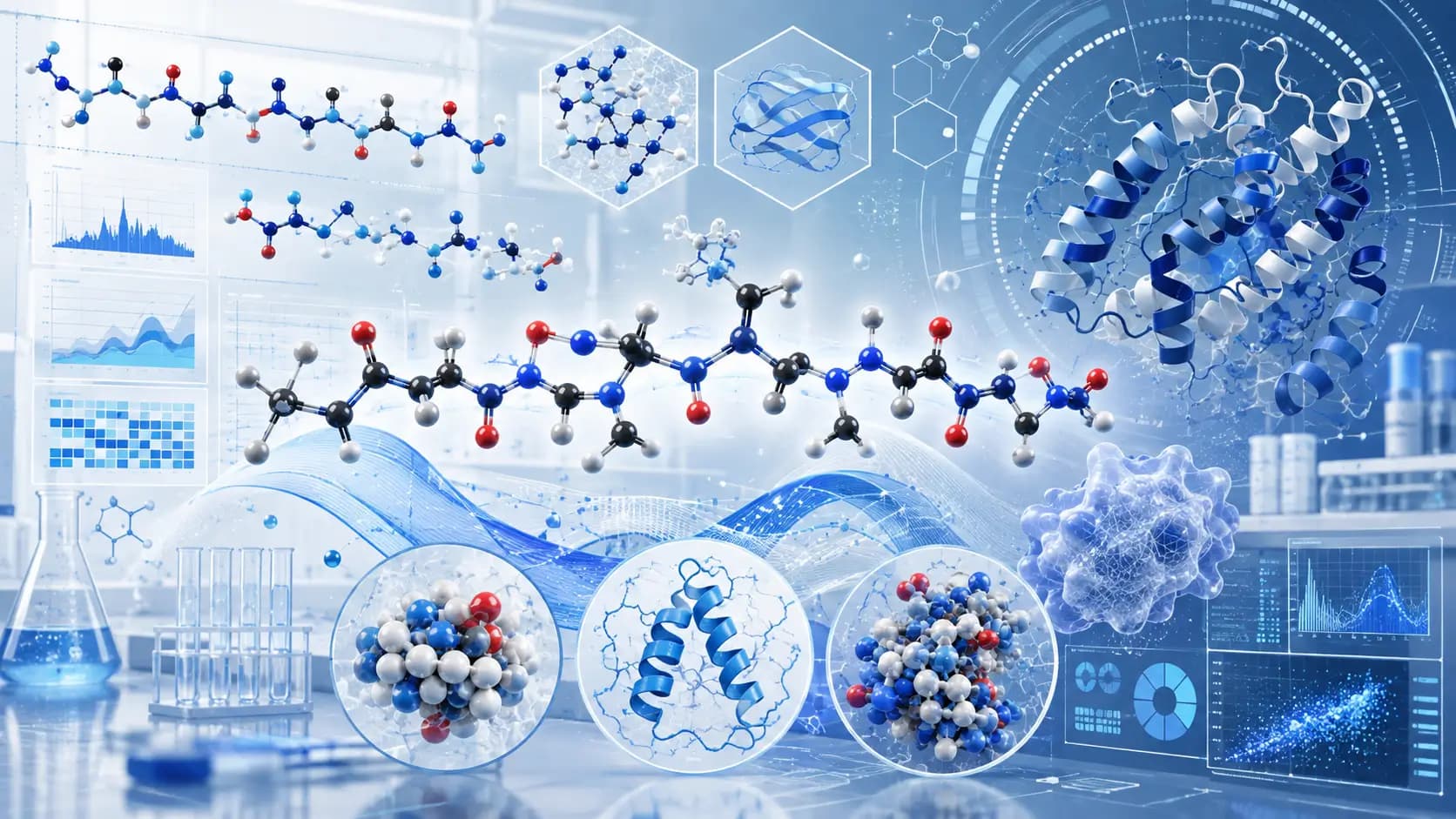
Peptides are central to many research programs because they offer a manageable scale between single amino acids and larger proteins. In scientific use of peptides, investigators study how sequence, structure, and composition affect behavior in solution and during analysis. Bac water for peptides enters this discussion because the physical properties of a peptide often determine whether aqueous reconstitution is straightforward or technically challenging.
Definition of Peptides
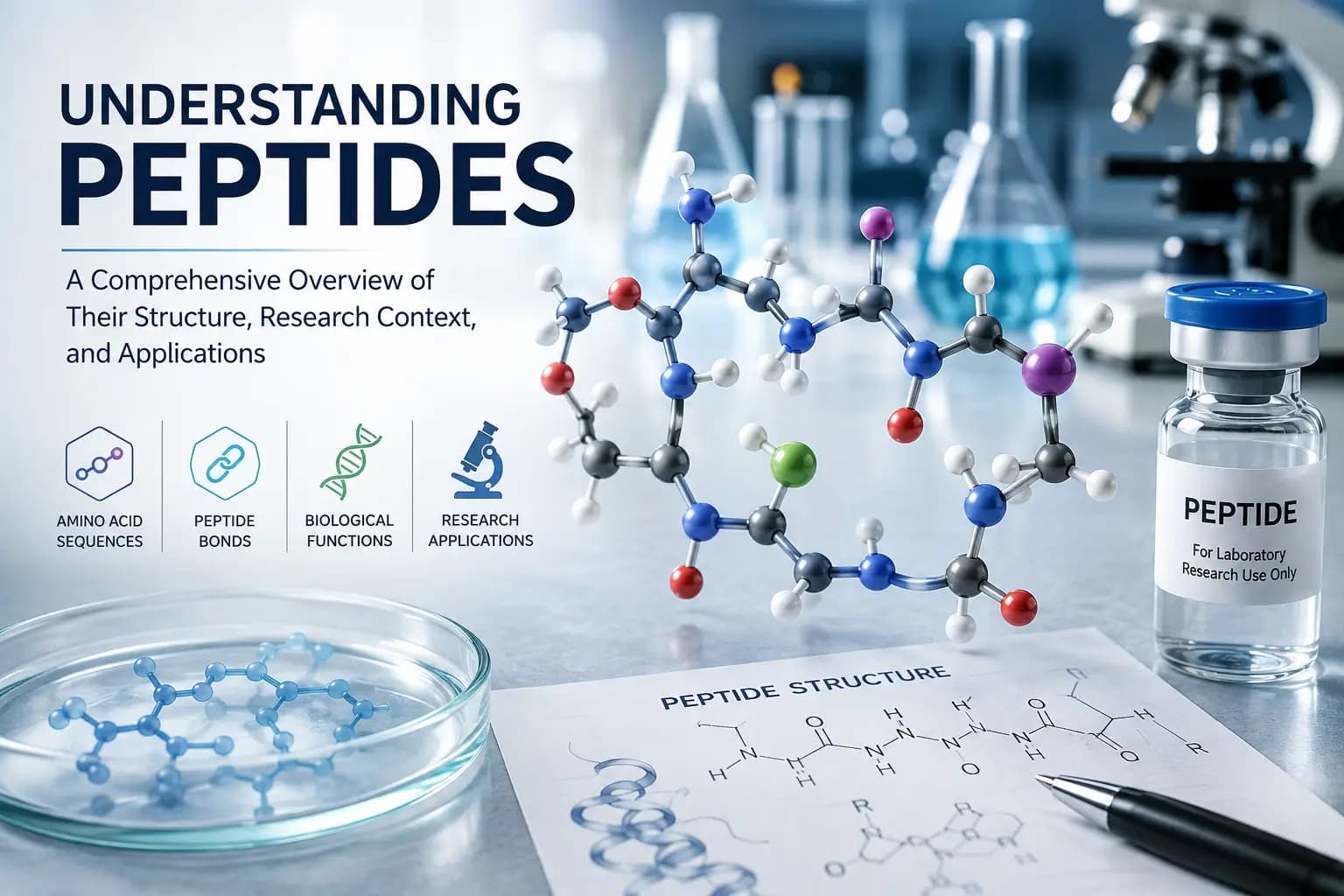
Peptides are short chains of amino acids linked by peptide bonds. Generally, they are smaller than proteins, although the exact boundary may vary across fields. In peptide research applications, these molecules are examined as chemical entities with defined sequences, measurable purity, and specific analytical profiles.
Researchers may classify peptides by several features:
chain length
net charge
hydrophobicity
cyclic or linear structure
presence of modifications
These variables are important because they influence solubility, retention behavior in chromatography, and fragmentation patterns in mass spectrometry. Additionally, when bac water for peptides is considered as a preparation medium, these same variables help predict whether the sample may dissolve uniformly or require a different solvent environment.
Sequence and Structure
Peptide sequence analysis focuses on the order of amino acids in the chain. That order determines many laboratory properties, including charge at a given pH, tendency to aggregate, and interaction with surfaces or containers. Therefore, even peptides with similar molecular weight of peptides values can behave very differently during reconstitution and storage.
Structure adds another layer of complexity. Some peptides remain largely flexible in solution, whereas others form secondary motifs or self-associate under certain conditions. Consequently, bac water for peptides may support acceptable handling for one sequence but not for another, especially if the peptide is prone to aggregation in water-rich systems.
Researchers often review these sequence-related factors before selecting storage and handling conditions:
Characteristic | Why it matters in laboratory peptide studies |
|---|---|
Acidic or basic residues | Influences charge and solubility |
Hydrophobic segments | May reduce water solubility |
Terminal modifications | Can alter stability and analysis |
Disulfide bonds | Affect folding and oxidation sensitivity |
Sequence length | May influence aggregation behavior |
Because peptide synthesis techniques can introduce protecting-group remnants, truncations, or side products, sequence confirmation is usually paired with purity testing for peptides. In fact, a peptide that appears correct by label still requires analytical verification before use in sensitive assays.
Molecular Weight and Purity
The molecular weight of peptides is one of the first identity checks used in research workflows. Mass values help confirm that the intended sequence was produced and that major unexpected species are not dominating the sample. However, molecular weight alone does not establish purity, since multiple impurities can share similar or overlapping mass characteristics.
Purity testing for peptides is commonly performed with chromatographic methods, especially HPLC. Likewise, researchers may combine retention data with mass spectrometry to build a stronger identity profile. This matters for bac water for peptides because solvent choice can affect apparent concentration, sample recovery, and the reliability of subsequent testing.
A research peptides catalog may list purity percentages, sequence information, and handling notes, but those entries should be read as starting points rather than substitutes for laboratory verification. Furthermore, peptide stability and storage planning should always consider the actual analytical profile of the received material. A high-purity sample may still degrade if repeatedly exposed to moisture, unsuitable temperatures, or incompatible solvents.
Analytical Techniques in Peptide Research
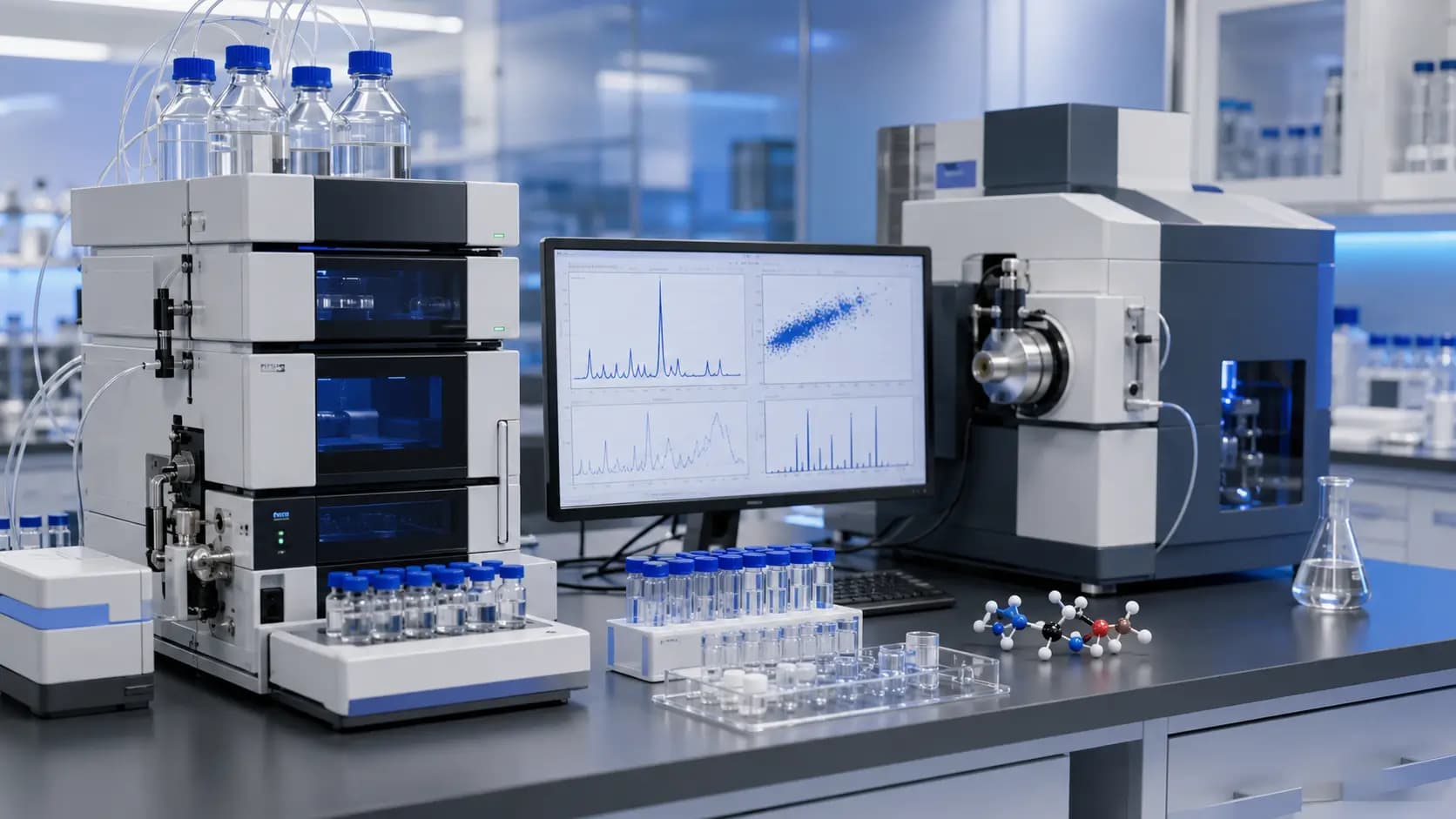
Analytical techniques provide the evidence base for peptide identity, purity, and consistency. In laboratory peptide studies, these methods are used before and after reconstitution to confirm that a sample remains suitable for the intended experiment. Bac water for peptides is relevant here because the solvent matrix can influence chromatographic behavior, detector response, and interpretation of data.
High-Performance Liquid Chromatography (HPLC)
HPLC is one of the most widely used analytical methods for peptides. It separates components in a sample based on their interaction with the stationary phase and the mobile phase. Therefore, HPLC is central to purity testing for peptides and to routine quality review in a research peptides catalog.
Reverse-phase HPLC is especially common in peptide analysis. In this setup, peptides are retained according to hydrophobic interactions and then eluted using a solvent gradient. However, sample preparation matters, because bac water for peptides may introduce a matrix that differs from the mobile phase composition and can slightly affect peak shape or baseline conditions.
Common HPLC outputs in peptide research applications include:
retention time
peak area distribution
impurity profile
comparative lot consistency
degradation pattern over time
Researchers often compare freshly prepared samples with stored samples to study peptide stability and storage outcomes. For instance, if a peptide shows new minor peaks after multiple freeze-thaw events, HPLC may reveal emerging breakdown products even before visible changes occur. Accordingly, bac water for peptides should be evaluated not only for initial dissolution but also for its compatibility with planned monitoring intervals.
Mass Spectrometry for Peptide Analysis
Mass spectrometry is used to verify the molecular weight of peptides and to support peptide sequence analysis. It measures mass-to-charge ratios, allowing researchers to identify expected peptide ions and detect certain impurities or modification states. Moreover, when paired with liquid chromatography, it becomes a powerful tool for confirming both identity and sample complexity.
In peptide research applications, mass spectrometry can help answer several questions:
Analytical question | How mass spectrometry helps |
|---|---|
Is the expected peptide present? | Confirms target mass signal |
Are there truncated species? | Detects lower-mass related ions |
Is oxidation present? | Reveals mass shifts |
Are adducts forming? | Identifies alternative ion species |
Does storage alter composition? | Compares spectra over time |
Bac water for peptides can matter at this stage because preservatives and dissolved components may contribute to background signals or alter ionization behavior. Consequently, some laboratories use one solvent for short-term handling and another for instrumental injection after additional preparation. This is especially relevant in comparative studies where subtle mass differences must be interpreted carefully.
Mass spectrometry does not replace chromatography, since coexisting species may complicate spectra. Nevertheless, it provides direct evidence that supports molecular identity and helps validate peptide synthesis techniques. In short, HPLC and mass spectrometry are often strongest when used together.
Comparative Analysis Techniques
Beyond HPLC and mass spectrometry, researchers use a range of comparative tools to assess sample quality. These may include amino acid composition review, capillary electrophoresis, UV-based quantification, or orthogonal sequence confirmation workflows. Additionally, stability studies may compare samples stored under different temperatures, light exposure conditions, or solvent systems.
A comparative framework is useful when evaluating bac water for peptides against other preparation media. Researchers may examine:
initial solubility
concentration recovery
chromatographic cleanliness
mass spectral background
stability across time points
Because no single analytical method captures every variable, laboratory peptide studies benefit from layered evidence. For example, one solvent may appear acceptable by visual inspection yet produce broader chromatographic peaks or inconsistent mass response. Therefore, solvent qualification is part of good research design, particularly when scientific use of peptides depends on reproducible assay inputs.
Storage and Handling of Peptides
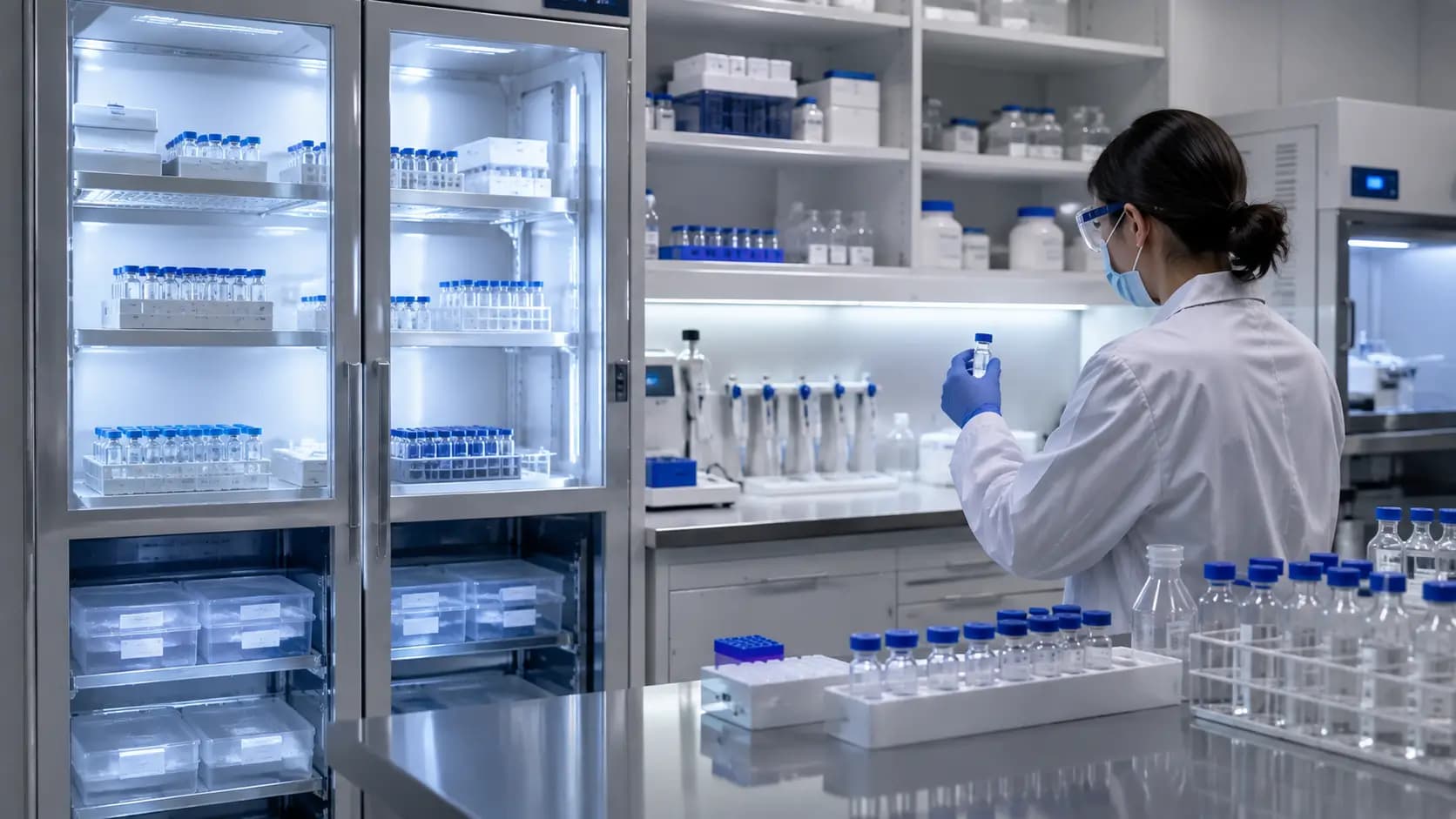
Storage and handling decisions shape the quality of peptide samples long after synthesis and initial testing are complete. Bac water for peptides is often discussed in this context because reconstitution changes the stability profile compared with dry material. Therefore, researchers should treat storage planning as a core part of laboratory peptide studies rather than an afterthought.
Optimal Storage Conditions
Many peptides are more stable in lyophilized form than in solution. Because of that, laboratories commonly store dry material under controlled low-temperature conditions until needed for analysis. However, once bac water for peptides or another solvent is introduced, the sample may become more sensitive to hydrolysis, aggregation, adsorption, or chemical modification.
General storage factors include:
Factor | Why it matters |
|---|---|
Temperature | Influences degradation rate |
Moisture exposure | Can affect dry sample integrity |
Light exposure | May alter sensitive residues |
Container material | May contribute to adsorption losses |
Freeze-thaw frequency | Can reduce sample consistency |
Peptide stability and storage planning should be sequence-specific whenever possible. For example, peptides containing methionine, cysteine, or other reactive residues may warrant closer monitoring. Likewise, if bac water for peptides is used, the laboratory should document the reconstitution date and define a clear internal review window for analytical reassessment.
Handling Protocols in a Laboratory
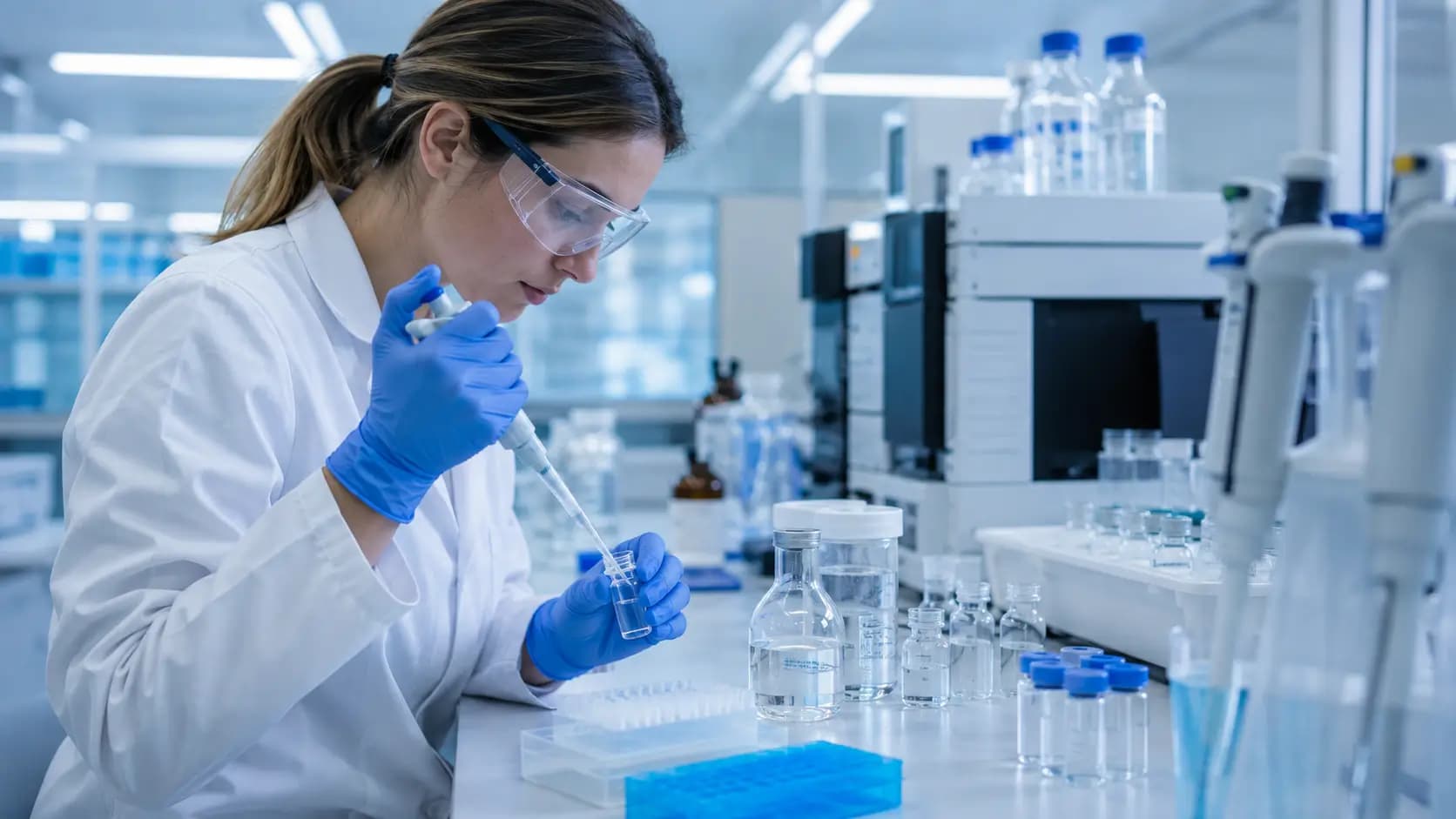
Handling protocols should aim to reduce contamination, concentration drift, and unnecessary physical stress on the sample. In laboratory peptide studies, that means clean tools, labeled containers, calibrated pipetting equipment, and consistent recordkeeping. Furthermore, researchers should minimize repeated vial access when possible, since each access event may introduce variability.
A practical handling checklist may include:
verify identity against the research peptides catalog
review COA or analytical summary before use
record solvent type and preparation date
inspect solution clarity and note observations
aliquot for planned experiments when appropriate
Bac water for peptides should be handled as a defined laboratory reagent, not as a generic substitute for every aqueous need. Because preservative-containing media may affect downstream instruments, analysts often separate preparation records for samples intended for HPLC from those intended for bioassays or other comparative studies. Accordingly, documentation supports both reproducibility and troubleshooting.
Safety and Compliance Guidelines
Safety in peptide handling is based on standard laboratory controls, institutional procedures, and chemical hygiene principles. Researchers should review the supplier’s documentation, container labeling, and any relevant institutional policies before opening or preparing a sample. Moreover, all materials should be managed according to their stated research classification.
Basic compliance-minded practices include:
maintain traceable lot records
store according to internal SOPs
avoid cross-contamination between samples
use appropriate PPE required by the facility
dispose of materials through approved channels
For laboratory research use only. Not intended for use in humans or animals. Not intended to diagnose, treat, cure, or prevent any disease. Competitive sport organizations may restrict certain substances. Users are responsible for checking applicable rules.
Recent Advances in Peptide Research
Peptide science continues to expand because peptides offer a flexible platform for studying sequence-driven molecular behavior. Bac water for peptides remains relevant even in advanced workflows, since sample preparation still affects analytical quality and reproducibility. Meanwhile, new tools in synthesis, screening, and characterization are reshaping peptide research applications across many laboratory environments.
Emerging Applications in Laboratories
Emerging peptide research applications include receptor binding studies, enzyme substrate mapping, biomaterials development, molecular probes, and structure-function investigations. In vitro research explores how defined peptide sequences interact with model systems under controlled conditions. However, findings from these studies are preliminary and depend heavily on experimental context.
Laboratories are also using peptides in areas such as:
Research area | Example laboratory focus |
|---|---|
Assay development | Standardized reference sequences |
Molecular interaction studies | Binding and affinity screening |
Surface science | Peptide-coated materials |
Analytical calibration | Instrument response comparison |
Mechanistic research | Sequence-dependent activity mapping |
As these applications become more specialized, bac water for peptides is evaluated less as a default option and more as one variable among many. For instance, a peptide used in a fluorescence assay may tolerate one solvent system, whereas the same peptide in LC-MS analysis may require a cleaner matrix. Therefore, application-specific solvent selection is becoming more common.
Innovation in Peptide Synthesis
Peptide synthesis techniques have improved in speed, scalability, and sequence complexity. Solid-phase synthesis remains the dominant platform, yet refinements in coupling chemistry, automation, and purification strategies have expanded what researchers can produce reliably. Additionally, modified residues and specialized linkers are now more accessible for laboratory peptide studies.
Innovation is occurring in several areas:
improved resin and linker systems
automated cycle optimization
greener solvent exploration
better impurity tracking
streamlined purification workflows
These changes affect downstream analysis because higher complexity often requires stronger peptide sequence analysis and purity testing for peptides. In fact, advanced synthesis can generate peptides with subtle structural differences that demand careful HPLC and mass spectrometry review. Bac water for peptides may still be used in early handling stages, but synthesis-driven complexity often encourages more tailored solvent strategies before final analysis.
Current Trends and Future Directions
Current trends in scientific use of peptides include miniaturized screening platforms, machine-learning-assisted sequence design, and integrated analytical pipelines. Researchers have investigated how computational tools can predict solubility, aggregation risk, and likely chromatographic behavior before a peptide is even synthesized. Consequently, solvent planning, including decisions around bac water for peptides, may become more data-guided over time.
Future directions are likely to include:
stronger predictive models for peptide stability and storage
faster orthogonal purity testing for peptides
expanded digital integration in research peptides catalog systems
more automated peptide sequence analysis
broader use of comparative analytical methods for peptides
Despite these advances, basic sample handling remains important. A highly sophisticated peptide project can still be compromised by inconsistent reconstitution records or poorly controlled storage conditions. In conclusion, innovation in peptide science does not eliminate the need for careful foundational practices, it makes them more important.
Research Compliance and Ethical Considerations
Compliance is a practical requirement in peptide research, not just a legal formality. Bac water for peptides and peptide materials themselves should be handled within documented laboratory frameworks that define procurement, storage, analysis, and disposal. Therefore, educational content on scientific use of peptides should remain neutral, technical, and clearly limited to research contexts.
FDA Regulations on Research Peptides
In the United States, materials marketed for research are expected to be presented in a way that matches that intended research status. That means product descriptions, educational pages, and catalog language should focus on laboratory peptide studies, analytical methods for peptides, and technical specifications. However, if content suggests personal use, regulators may interpret the intended use differently.
A compliance-friendly research listing often includes:
Content element | Appropriate research framing |
|---|---|
Sequence | Technical identifier |
Molecular weight | Analytical specification |
Purity | Quality metric |
Storage notes | Laboratory handling information |
COA availability | Documentation support |
Bac water for peptides may be described in relation to solvent compatibility, microbial control in research handling, and instrumental considerations. In contrast, content should not provide end-user protocols or non-laboratory guidance. Accordingly, educational material should remain tied to research process and sample characterization.
WADA Guidelines for Peptide Use
Competitive sport organizations may restrict certain substances, including categories related to peptides and associated compounds. Because of that, peptide content should not target athletes or discuss ways to support competition-related goals. Moreover, laboratory peptide studies should never be framed around event preparation, testing avoidance, or performance-oriented outcomes.
A neutral compliance note is appropriate: Competitive sport organizations may restrict certain substances. Users are responsible for checking applicable rules.
This type of statement keeps the discussion general and non-instructional. Likewise, it supports the broader principle that scientific use of peptides must be separated from athlete-facing marketing or advice.
Best Practices for Compliance in Research
Best practices for compliance combine accurate labeling, restrained language, and strong internal documentation. In other words, the same discipline used in peptide sequence analysis should also apply to communication and recordkeeping. Bac water for peptides should be referenced only in technical terms that fit laboratory operations.
Useful compliance practices include:
maintain SOP-based handling records
keep research and non-research language clearly separated
archive COAs and analytical summaries
review vendor listings for technical accuracy
train staff on restricted claims and wording
For laboratory research use only. Not intended for use in humans or animals. Not intended to diagnose, treat, cure, or prevent any disease. These statements should align with surrounding content, because disclaimers alone do not correct misleading context. Therefore, the entire article, catalog page, or protocol summary must consistently reflect research-only intent.